ecosystem-guides
....exploring the planet's ecosystems
INDO-PACIFIC
Tropical Rocky Seashore
While not as comfortable to laze about on like a sandy beach, the rocky seashores of the tropical Indo-Pacifc are spectacular!
This very narrow seashore habitat is adjacent to a rich array of other habitats around the world. In the shallow warm water just off the beach are Sea Grass beds. If you are lucky there can also be patches of Coral Reefs. The seashore itself can be fine classic sandy beach or mudflats. Salt tolerant mangroves communities start to grow on the edge of the ocean (different regions are covered in Australasian Mangroves and Indo-Malayan Mangroves and Neotropical Mangroves and Afrotropical Mangroves). Above the land plants the littoral forest transitions into other forests. In wetter areas in Australasia it turns into Australasian lowland rainforest and in South America, the Neotropical lowland jungle. On the seasonally wet coast in east Africa there is African Monsoon forest.
Life on tropical seashores is not always as obvious as it is along temperate shores. First time or casual visitors to tropical rocky shores who have grown up along cooler coasts are often disappointed at the apparent scarcity of life here. This is largely due to the harsher conditions. Warmer waters hold less oxygen than cooler waters, so there is generally less life in the tropical seas off the coast. Less oxygen means less nutrients in the water, and therefore there is an obvious lack of the filter-feeding animals such as barnacles, oysters and mussels. And in the exposed areas and rock pools, the heat of the tropical sun results in higher temperatures, which leads to higher rates of evaporation, and thus higher salinity levels.
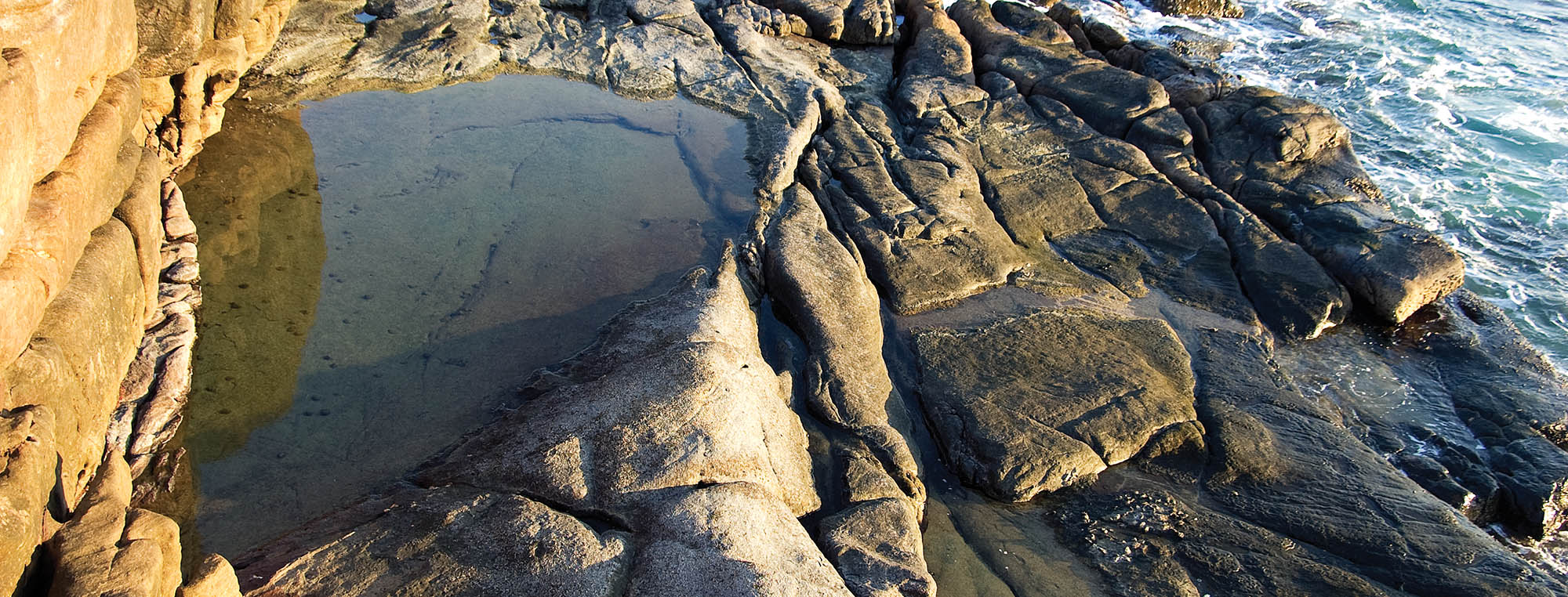 rock pool on tropical seashore
The movements of the moon and sun pull the ocean up and down over the surface of the earth, to erode different levels of the coast every day. And during different climate times in the Earth’s history, the sea has weathered much higher or lower levels of the coast. All of these factors have resulted in a range of sculptures, overhangs and other shapes both well above and deep below the current water level. Among the more dramatic and interesting features along exposed coastlines are sea caves
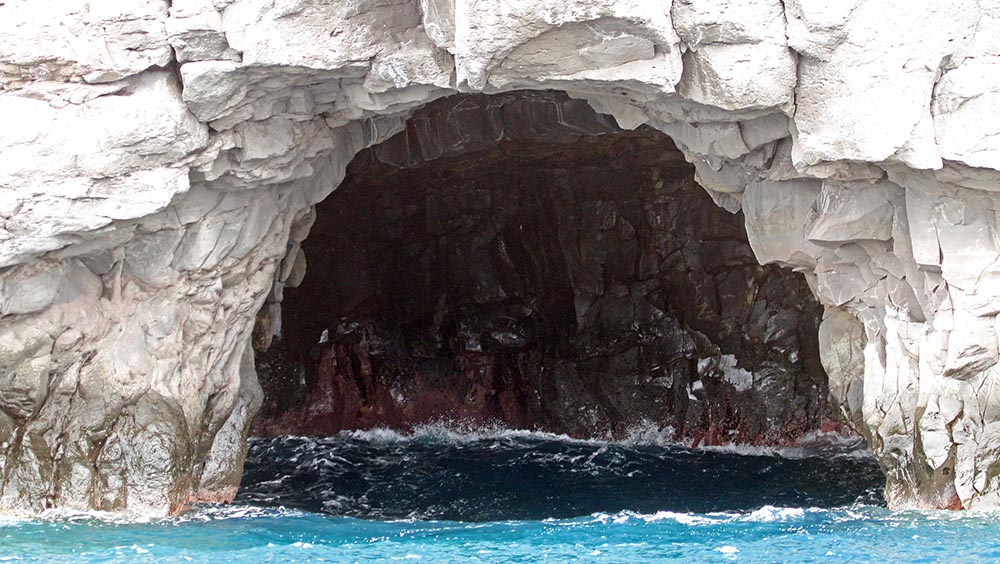 coastal cave (Tonga)
Blowholes occur where holes have been weathered down into caves underneath a rocky coast. When waves hit the shore, the water in the underwater cave is forced into the small eroded gap and squeezed out and high into the air. One of the best places to see blowholes in the tropical Indo-Pacific is along the coast of Tonga at Mapu a Vaea.
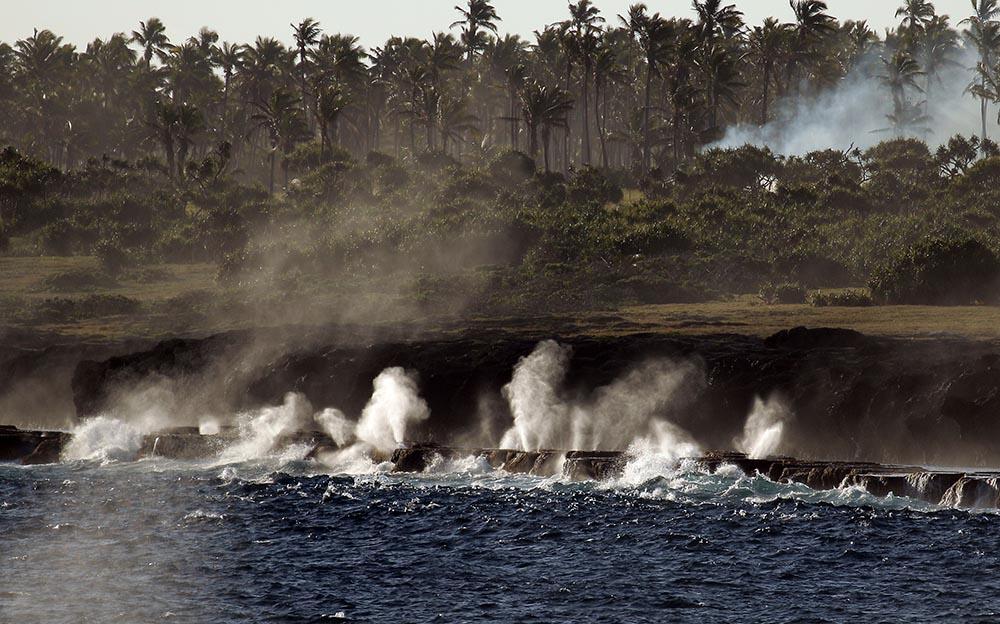 blowholes (Mapu a Vaea, Tonga).
Pandanus are one of the most distinctive and common plants along tropical coasts. They grow slim, almost spindly trunks, superficially rather like a palm, to which they are not closely related. The long strap-like leaves have spines along the edge, and when they fall they persist for some time, making them ideal material for thatching. The fruits that develop are large and aggregate, almost pineapple like, made up of segments that drop to the ground when ripe. Each segment holds a kernel which can apparently be extracted and tastes ‘deliciously nutty’; but good luck trying to open them up! When the segments wash up later on shore, they are brown, and the fibrous end looks rather like a shaving brush.
The family Rubiaceae is one of the largest of all flowering plant families with over 7000 species. They are found mostly in the tropics of the world, but are also represented in the subtropical and temperate regions. The leaves are usually either opposite to each other, or arranged in whorls. This family provides also provides another product that without which, this website would not have been written: coffee. One of the most distinctive groups along limestone rocky seashores is Bikkia. The flowers of this genus are distinctive in their almost square-like shape created by the four triangular petals fitting together. These plants are usually found growing on limestone along tropical seashores. The 10 or so species occur on islands in the western tropical Pacific.
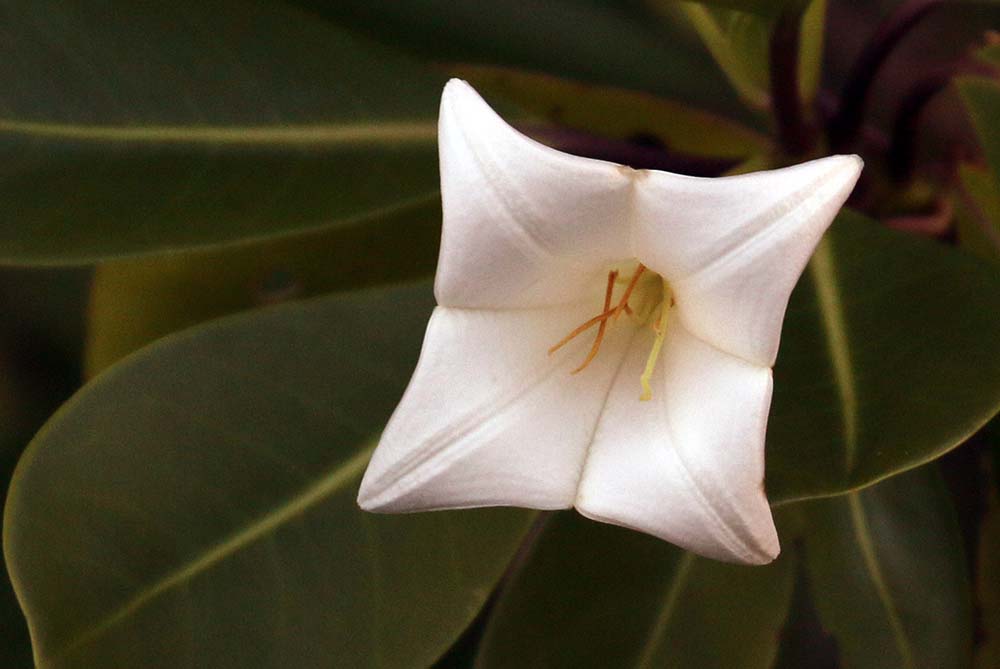 (Palau)
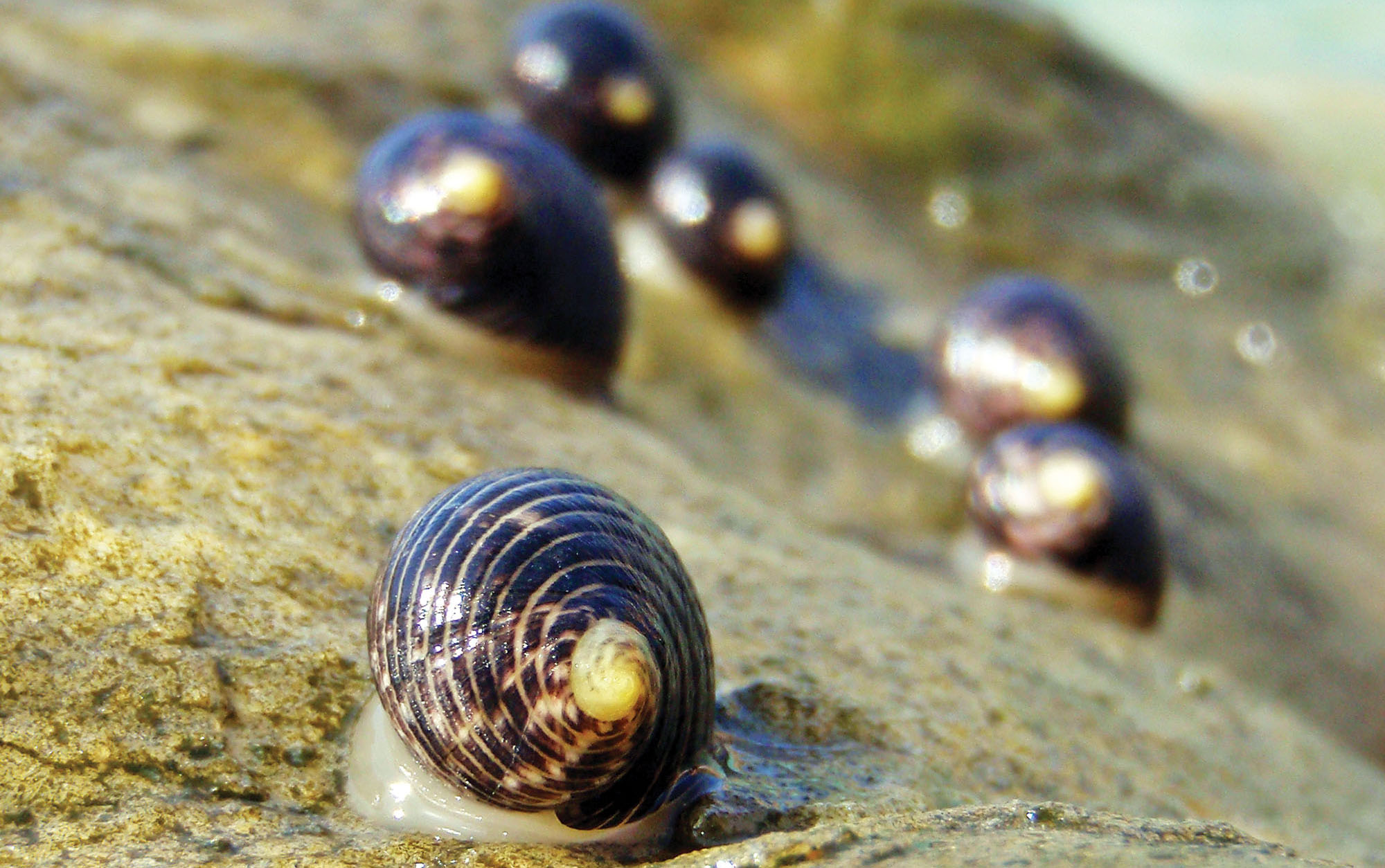
While most species of the gastropod molluscs that make the classic 'spiral seashells' live under the water, it's the one the inhabit the intertidal zone the most of remember. The 'Nerites' of the family Neritidae are sometimes also called ‘Winkles’ due to the physical and ecological similarity to the closely related ‘Periwinkles’ of the family Littoriidae. The operculum (their opening at the base of the shell) has a small notch, which enables the animal to completely seal itself inside the shell. The ability to seal off means they can handle being out of the water for long periods, allowing them to graze off rocks in the upper intertidal zone (image below: Kimberley coast, Australia). Thus, these shells are seen alive and moving across rocky shores in groups: they do move in herds!
The family Elapidae contains many infamous venomous snakes, such as Cobra and Taipan. The family also includes Laticauda spp., 'Sea Kraits'; these snakes live most of their lives in the sea, but unlike the 'true sea snakes', they come ashore to rest, digest, and breed.
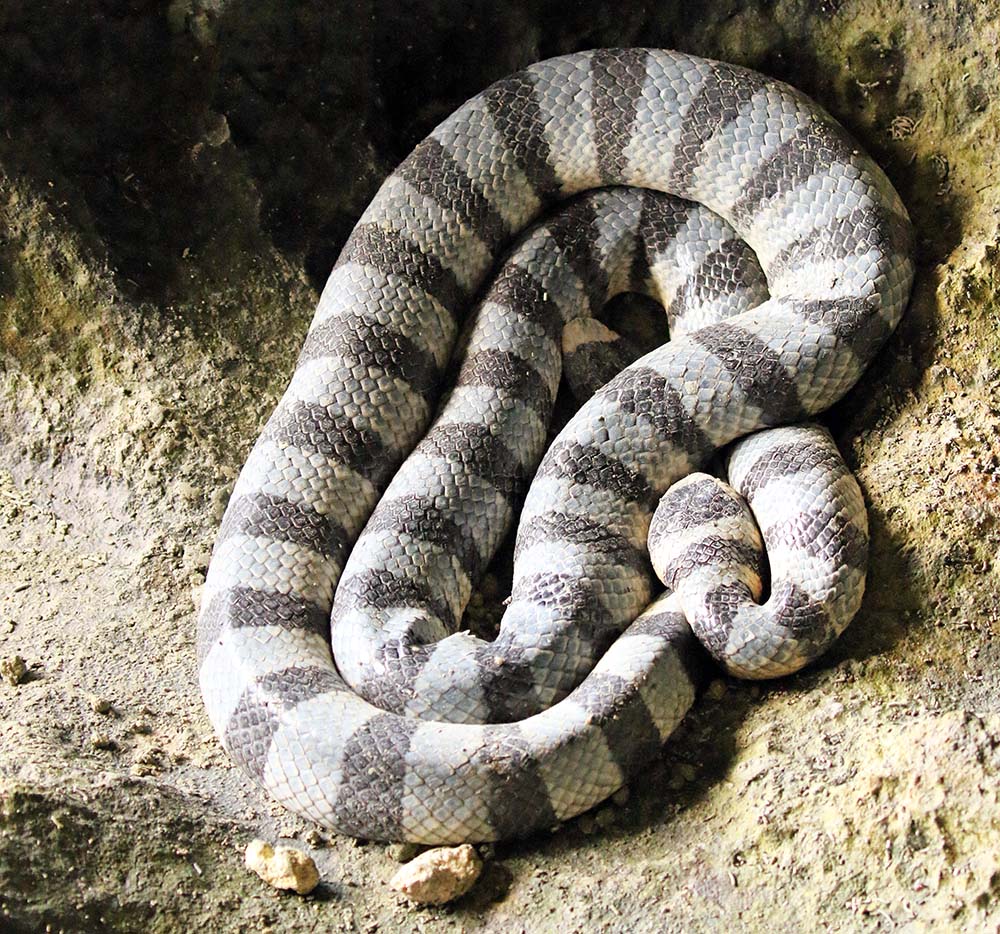 (Palau)
There are over 10,000 species of birds in the world, and they have successfully established themselves in almost every ecosystem all over the planet, including the most remote coasts and smallest sand islands, where there is little other large land based life. Terns often pick inaccessible rocky coasts to rest and nest, including the:
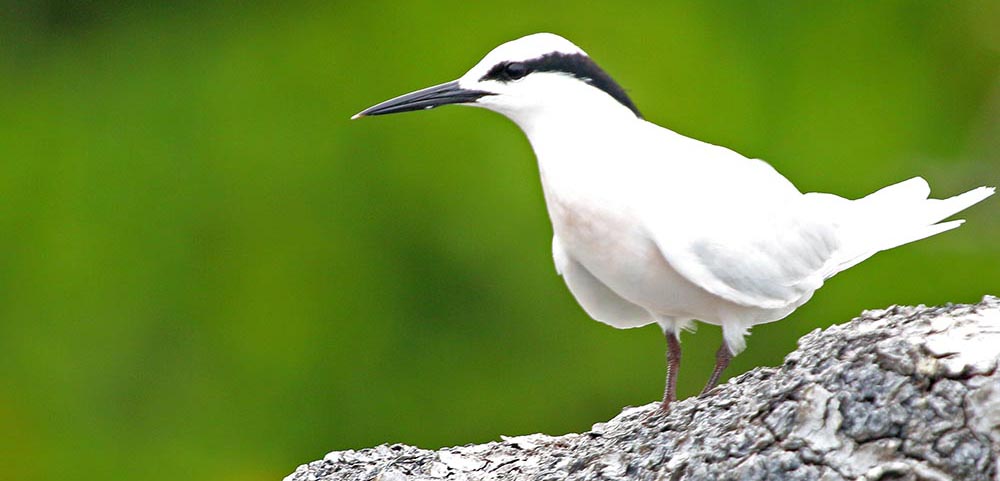 'Black-naped Tern', (Alim Island, Papua New Guinea)
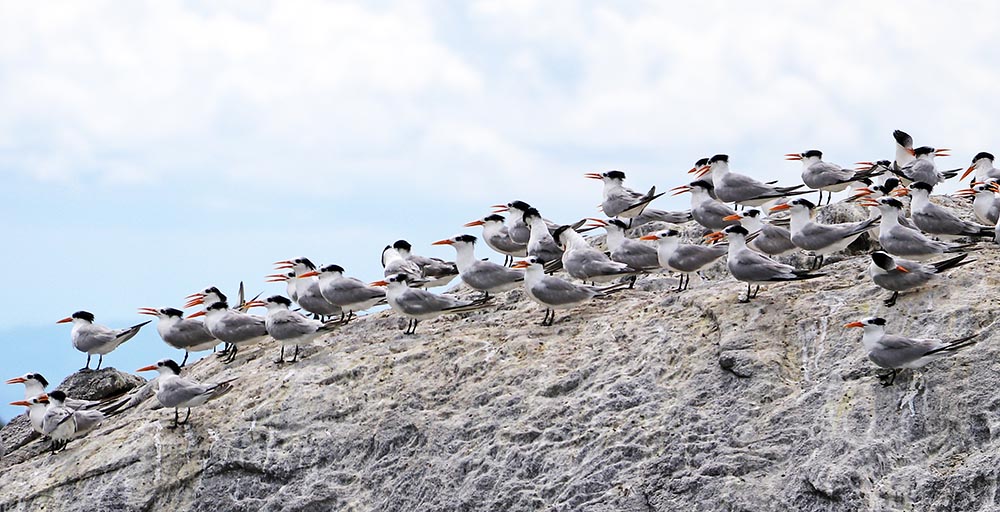 'Lesser Crested Tern', (Madagascar)
The family Ardeidae contains all of the Herons, Egrets, Bitterns. Species that enjoy some sturdy coastal rock under their feet to roost include:
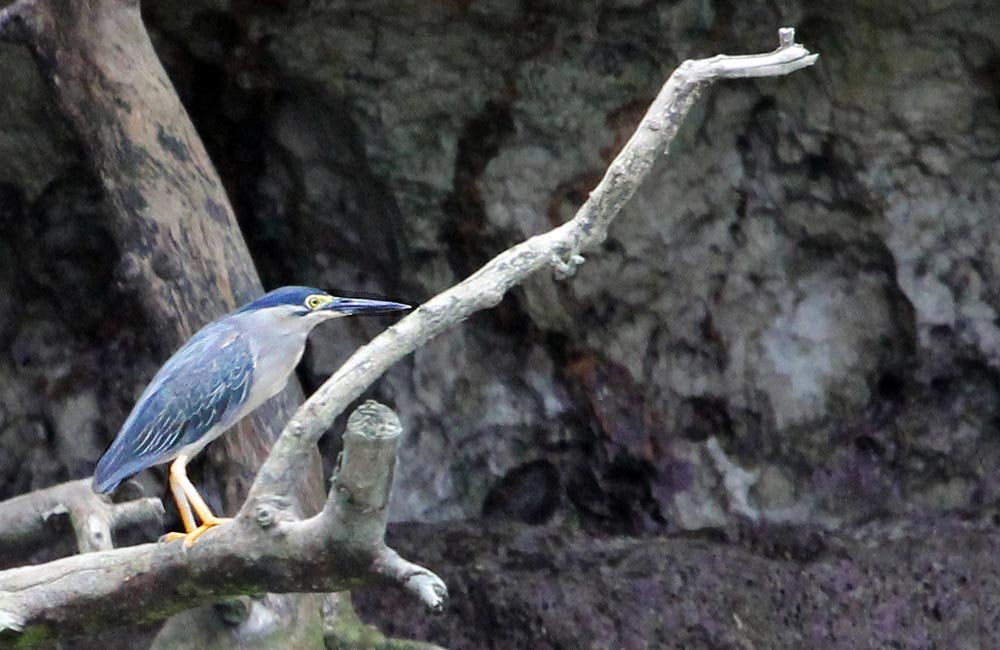 'Mangrove/Striated Heron', (Misool, Indonesia)
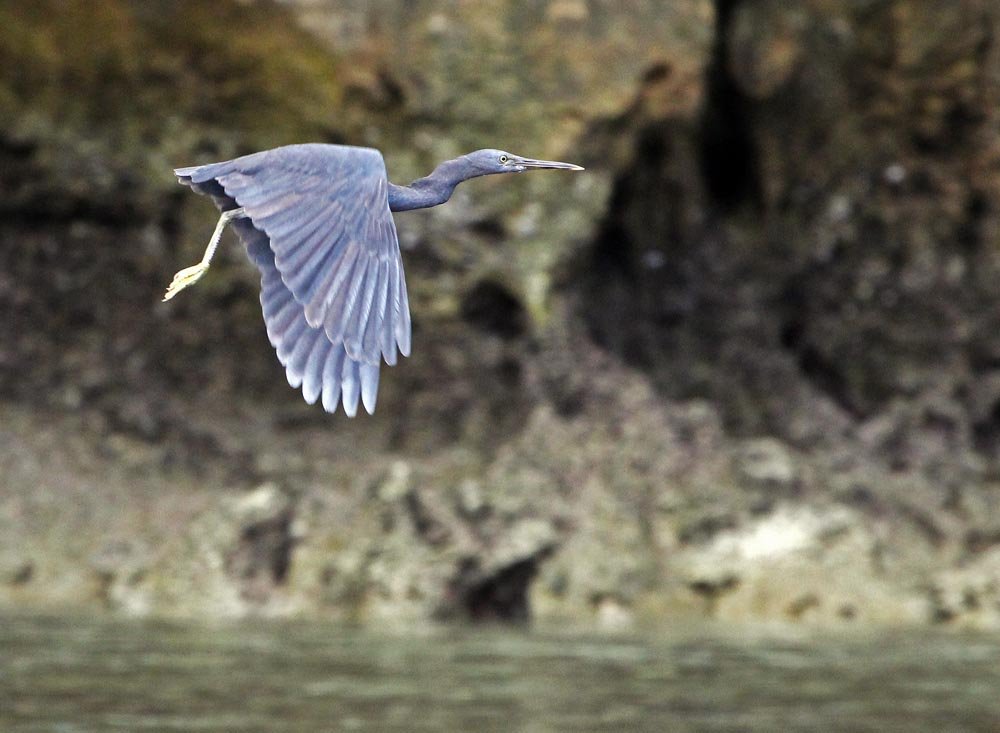 Eastern Reef Egret, (Misool, Indonesia)
Places to trip over the Indo-Pacific tropical rocky seashore
The east coast of Queensland is of course dominated by the Great barrier Reef and includes Lizard Island. North of Australia is Indonesia, with explosive Krakatoa. More remote are the tropical Pacific islands. North into the Micronesian islands is Palau. Out in the very remote eastern Pacific are the Pitcairn Islands. On the other side of the Indian Ocean, off the coast of Africa, are the Seychelles.
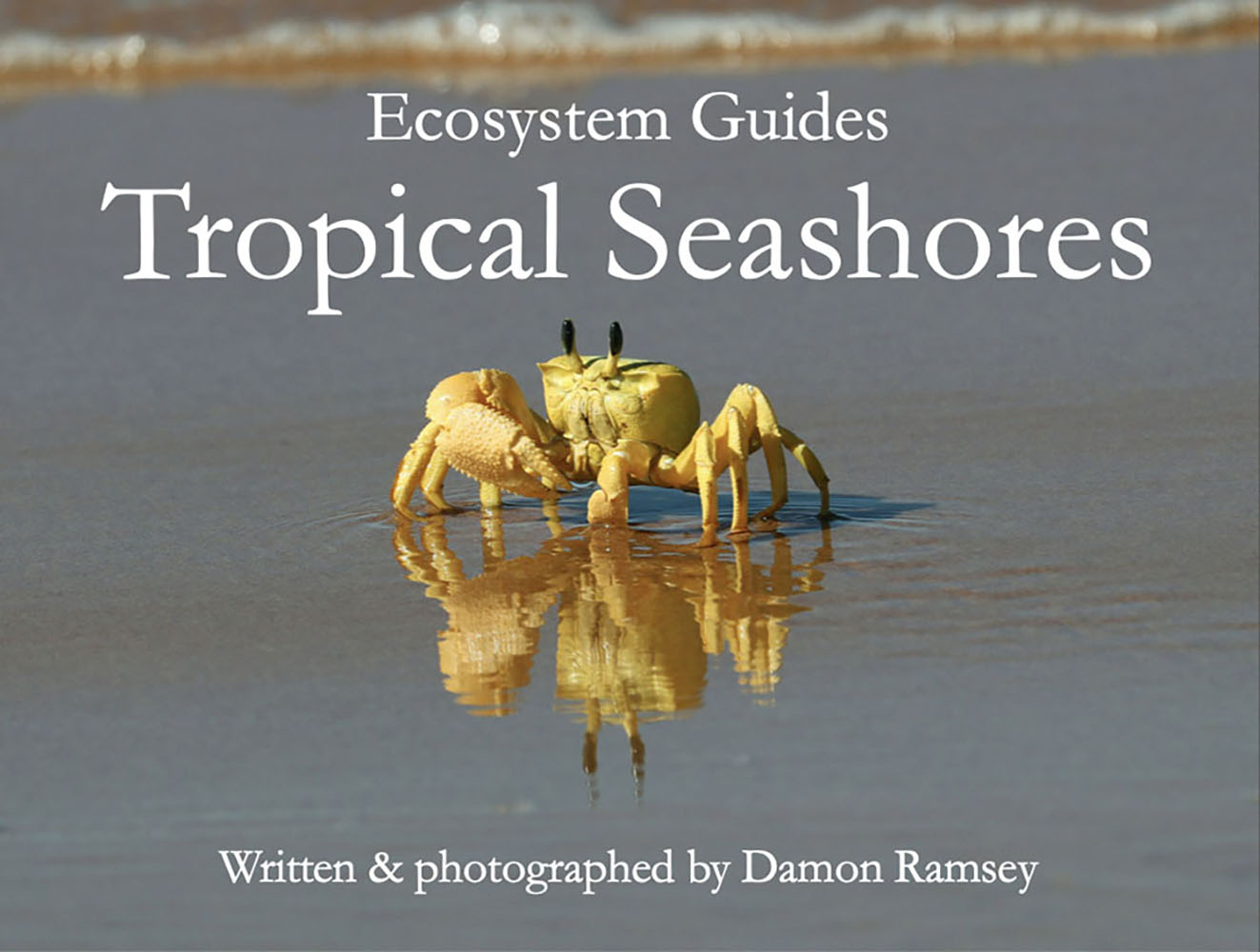
For LOTS more information on the tropical seashore, in fact a whole book, check out: "Tropical Seashores" written by...me!
About the author
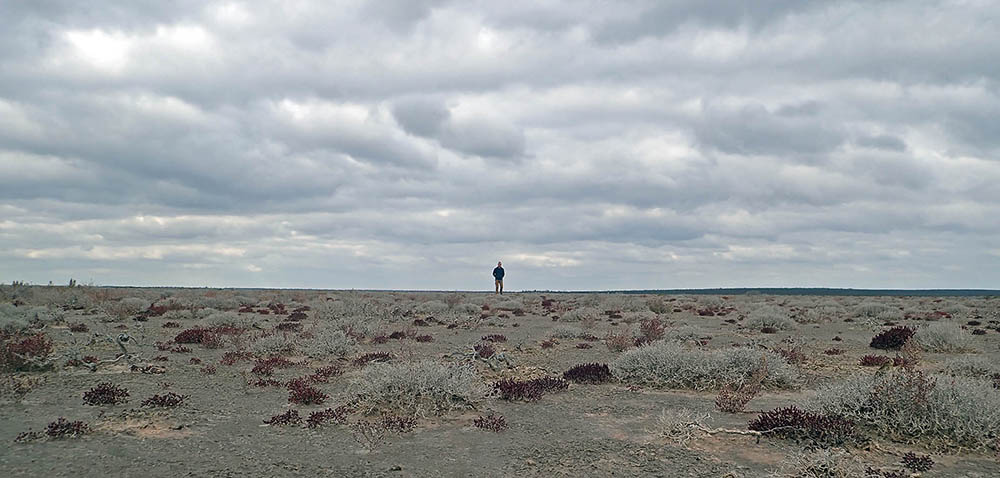 the author isolating during covid in the chenopod shrublands of arid Australia
Written by Damon Ramsey. All photographs by author (unless credited otherwise). This is not AI written. Images and information are added to this website continuously as of 2026. Feel free to copy photographs for educational purposes, but please acknowledge with: www.ecosystem-guides.com. Ecosystem Guides posts pretty shots on Instagram and some sillier photos on Facebook. Contact Email: damon@ecosystem-guides.com
Search this website (and the wider internet):
For books in the "Ecosystem Guides" series on Amazon (international) click on the book cover below
(or go to your country specific Amazon website to order, for example, click here for Amazon Australia)