ecosystem-guides
....exploring the planet's ecosystems
CARIBBEAN
Coral Reef
The coral reefs of the Caribbean may not be as diverse as the tropical Indo-Pacific, but they do have a range of their own endemic species. These are often slightly different but 'equivalent' species that have evolved separately to those found in the tropical Indo-Pacific. On this page I will look at the coral reefs around the Caribbean Sea, but also include the 'Greater Caribbean', including the Gulf of Mexico, the Bahamas and up to Florida. Many of these species can in theory continue to be found along the coast of northern South America and down along the Brazilian coast of eastern South America; however they are hard to see because the water is usually very murky due to outflow of the Amazon.
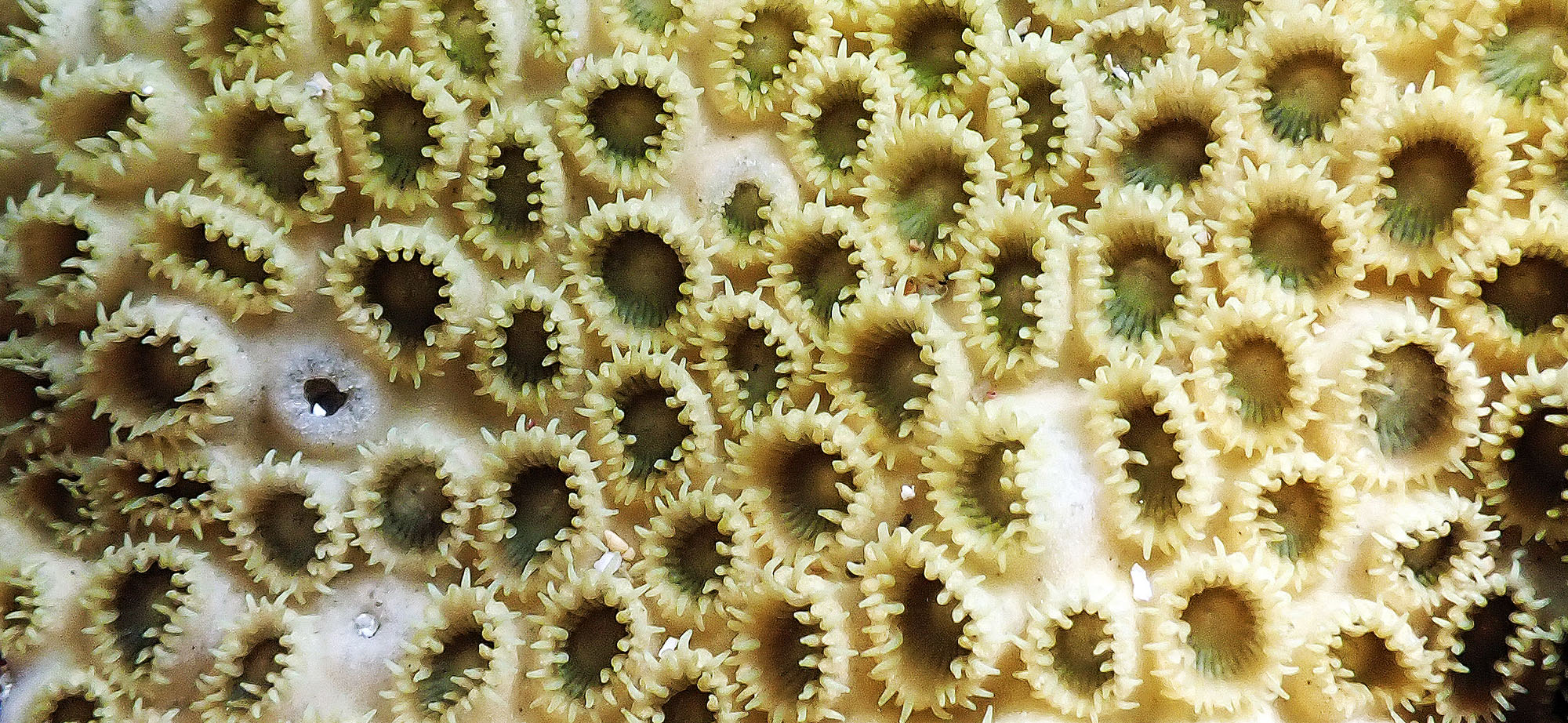 Palythoa 'Button Polyps' (Antigua)
Many of the tropical waters of the Caribbean that are not decorated by coral may have their colour provided by many sponges instead. Sponges have what is often considered the most basic body plan of all the multi-cellular animals. They are sedentary as adults, and resemble plants in their simplicity and adherence to the substrate. Sponges are covered in tiny holes that draw water in. As the water is pumped throughout the inside of the animal, it is filtered for food particles. The water is the pumped out, exiting much larger holes.
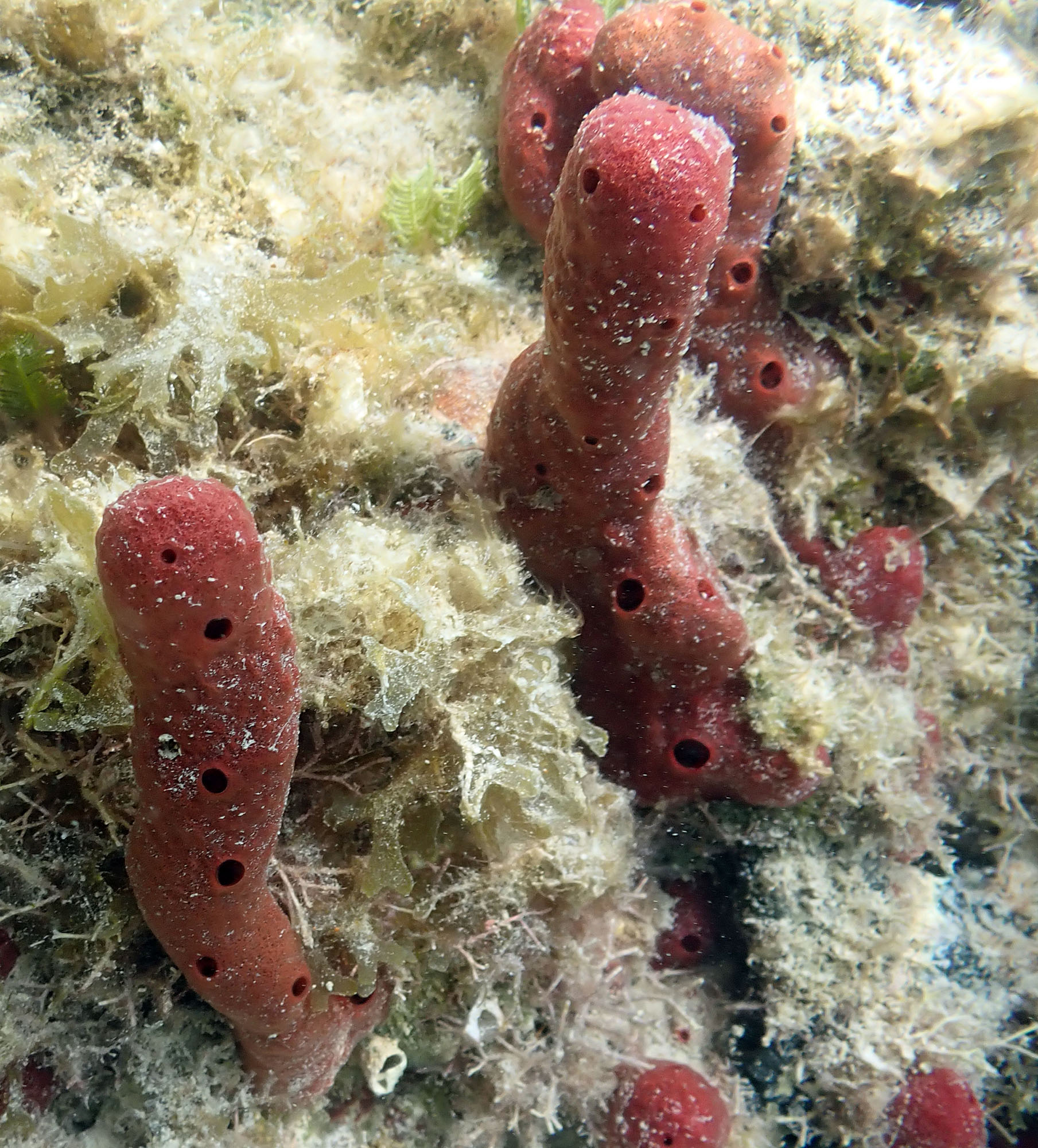 Amphimedon compressa, 'Scattered Pore Rope Sponge', (Pillar Rocky Bay, Antigua)
Some species of the dozen different ‘Atlantic Sea Plumes’ of the genus Antillogorgia look like small underwater Pine trees. They are a rarity in comparing the coral reefs of the tropical Indo-Pacific with the Caribbean, as they are all endemic to the Greater Caribbean and not found on the former.
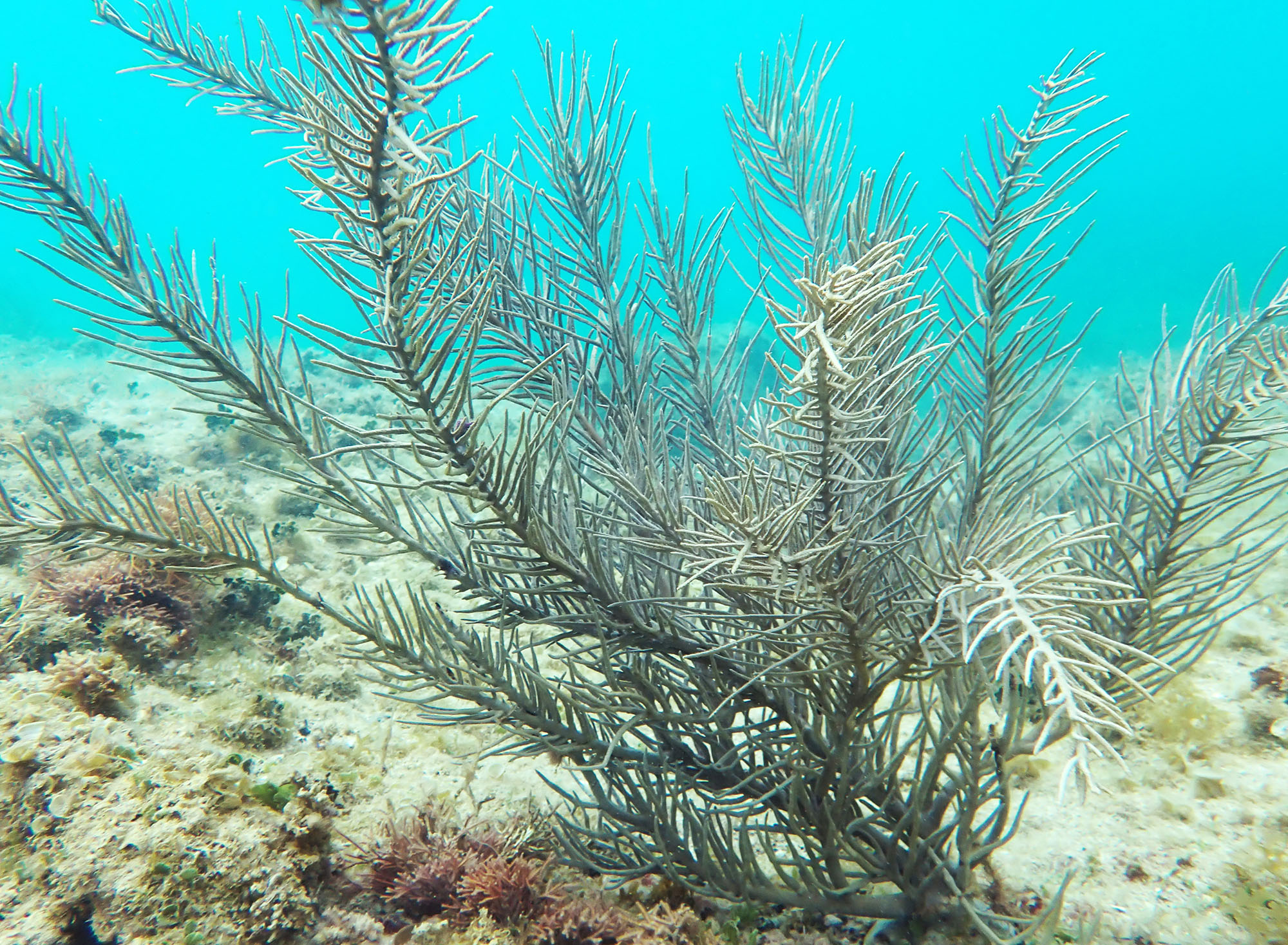 (Antigua)
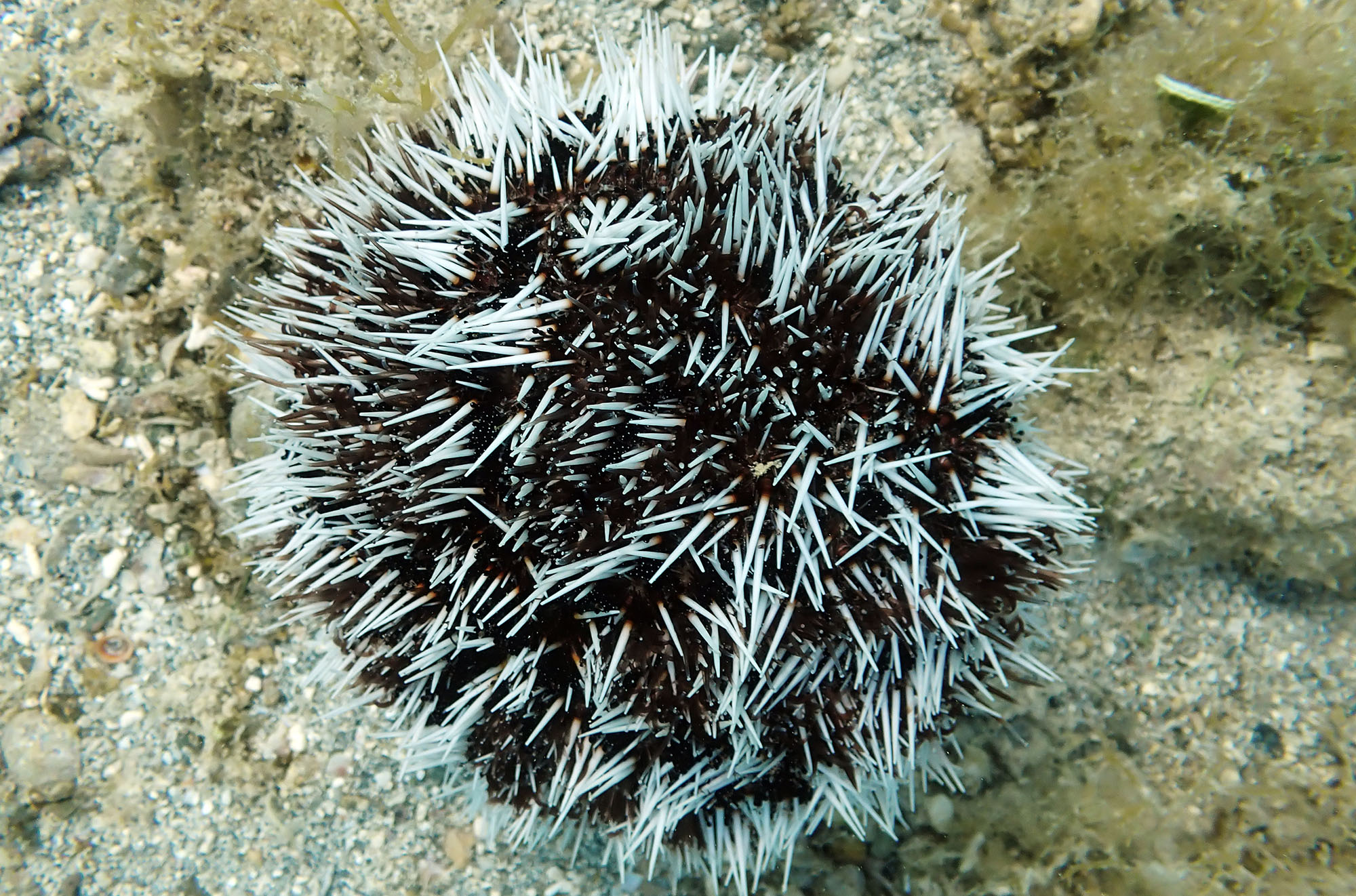
Many of the Sea Urchin species in the family Toxopneustidae are, as suggested by the name, toxic. The danger comes from their sometimes highly venomous pedicellariae. In the Caribbean the common species is Tripneustes ventricosus, the ‘West Indian Sea Egg’. Other names include the yummy sounding ‘Cake Sea Urchins’, but you don’t want to take a bite.
There are no Anemonefish native to the Caribbean, not even the entire tropical Atlantic. However, there is a nice selection of Damselfish. In the group called the Gregorys is the neon blue dotted 'Caribbean Cocoa Damselfish' Stegastes xanthurus.
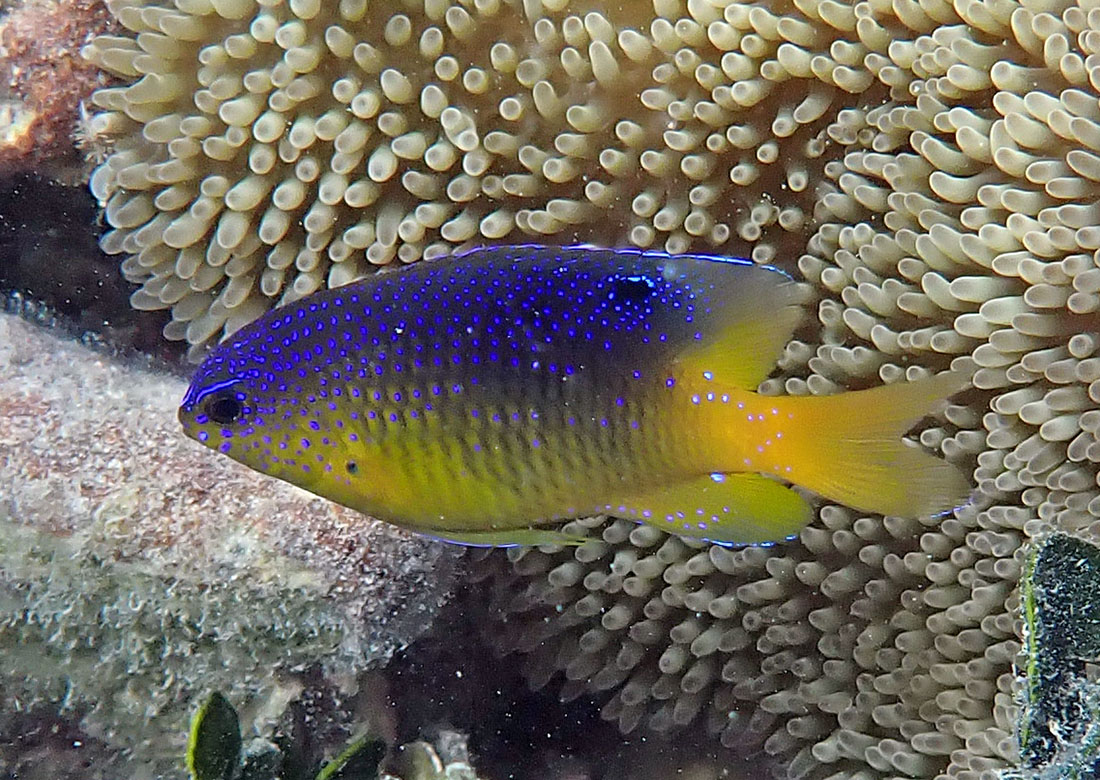 (Antigua)
In the Indo-Pacific, the Butterflyfish species outnumber the Angelfish and generally the former are much more commonly see than the latter: however in the Caribbean the numbers of species and encounters seem more equal.
The Angelfish differ from Butterflyfish in being more square’ish than round’ish. The most distinct anatomical feature is a spine just in from of the gill, which can sometimes (but not always!) be seen, especially looking in photographs at a later dry date. Unlike the Butterflyfish, the juveniles also look different, often with different colours and patterns. Of course this large family of 88 species should not be confused with the three species of freshwater fish in South America that are Cichlids. The image below is the The ‘French Angelfish’ Pomacanthus paru of the Caribbean.
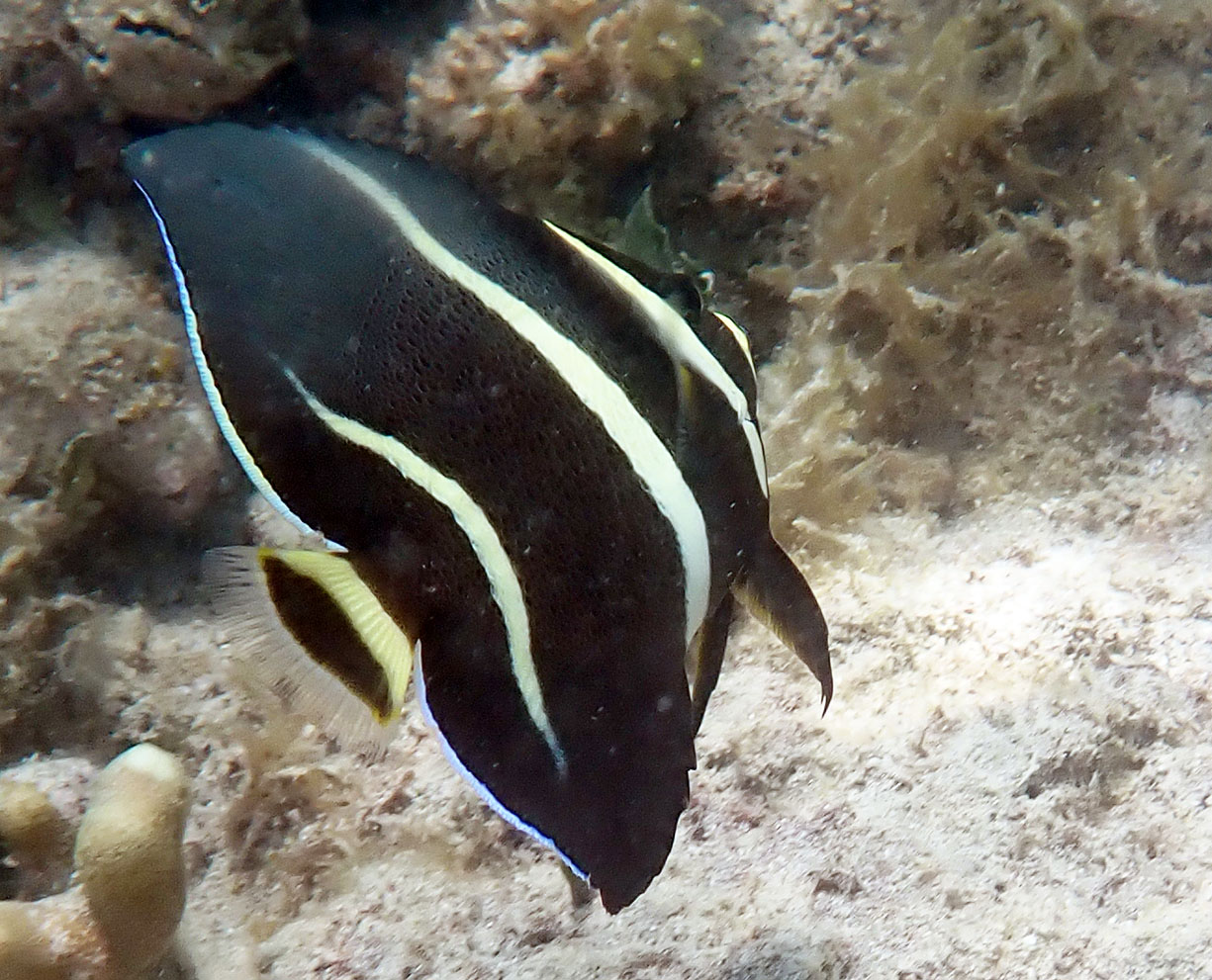 (Antigua)
The Surgeonfish are named for their nasty but effective defence against fisherman and other predators: the sharp scalpel like spines on the peduncle between the body and the tail. The image below shows three 'Caribbean Ocean Surgeonfish', and you can clearly see the blue coloured spines near the tail. The family includes half a dozen species in the Caribbean, including the pretty 'Tangs'.
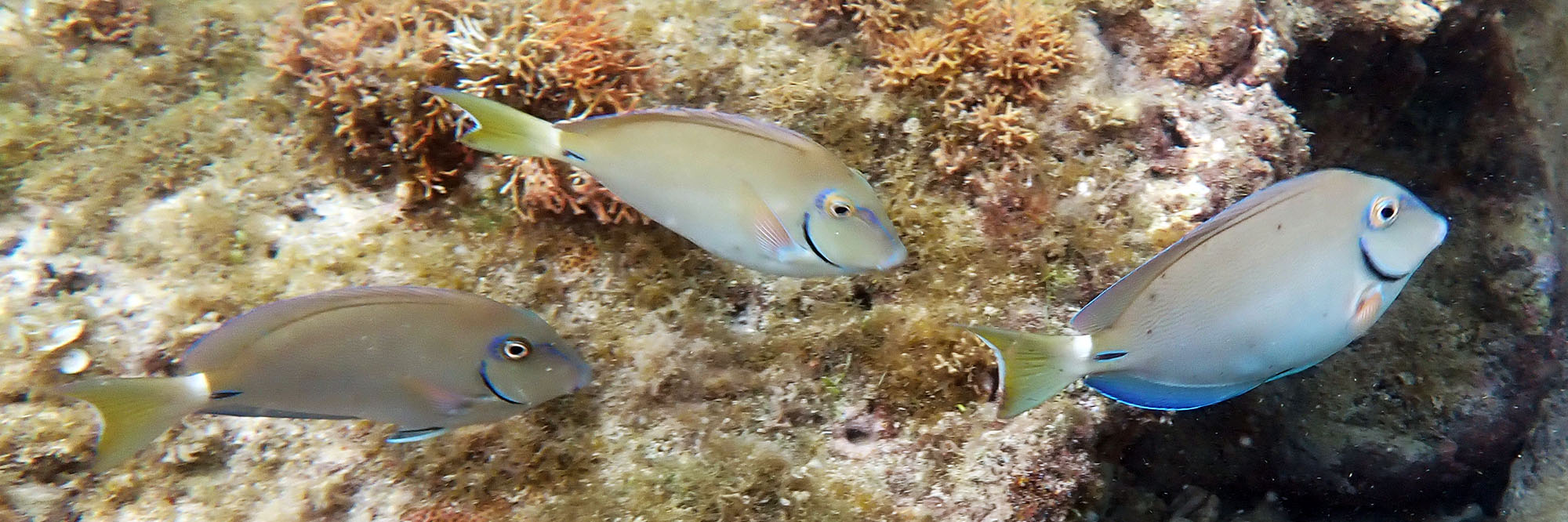 (Antigua)
The Lutjanid family includes the ‘Tropical Snappers’. Snappers usually have a silvery background, but frequently with yellow or red stripes or markings. These larger fish often have a pointier shovel snout reflecting their predatory nature. In turn they get caught by fishermen and include popular eats. But many snappers get their revenge by delivering ciguatera to their human predators. There are about 20 or so Snappers in the west Atlantic & Caribbean region. There is only one species in the genus Ocyurus, and it is the ‘Yellow-tailed Snapper’, Ocyurus chrysurus (image below). This fish is found mostly around the Caribbean, but also occurs south to central Brazil and north to Florida.
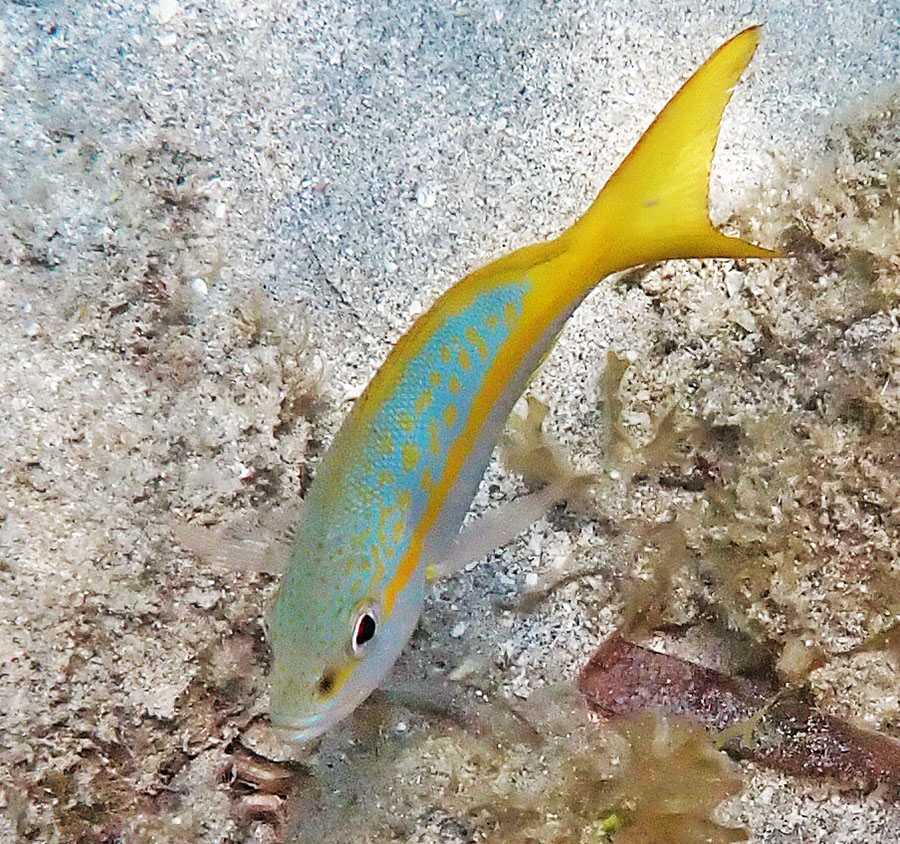 (Antigua)
Where to experience Caribbean coral reefs...
I have only snatched a few quick snorkels on a small number of Caribbean reefs: at San Blas Islands (Panama), Antigua, San Andres (Colombia), Barbados, Bonaire, and Mexico. But there is of course a huge range of reefs to visit and places to stay throughout the Caribbean and the Atlantic side of Central America. The Bonaire snorkel was probably the best, but I haven't done enough coral reefs here to make an objective judgement. I hear Belize is the best.
About the author
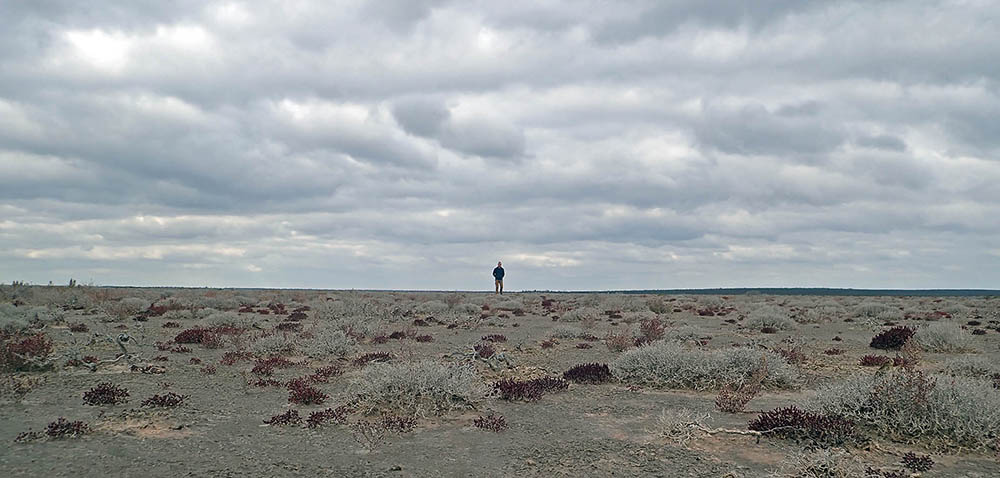 the author isolating during covid in the chenopod shrublands of arid Australia
Written by Damon Ramsey. All photographs by author (unless credited otherwise). This is not AI written. Images and information are added to this website continuously as of 2026. Feel free to copy photographs for educational purposes, but please acknowledge with: www.ecosystem-guides.com. Ecosystem Guides posts pretty shots on Instagram and some sillier photos on Facebook. Contact Email: damon@ecosystem-guides.com
Search this website (and the wider internet):
For books in the "Ecosystem Guides" series on Amazon (international) click on the book cover below
(or go to your country specific Amazon website to order, for example, click here for Amazon Australia)