ecosystem-guides
....exploring the planet's ecosystems
AUSTRALIAN
Chenopod (saltbush) shrublands
The low chenopod shrublands are one of the most challenging habitats in Australia...
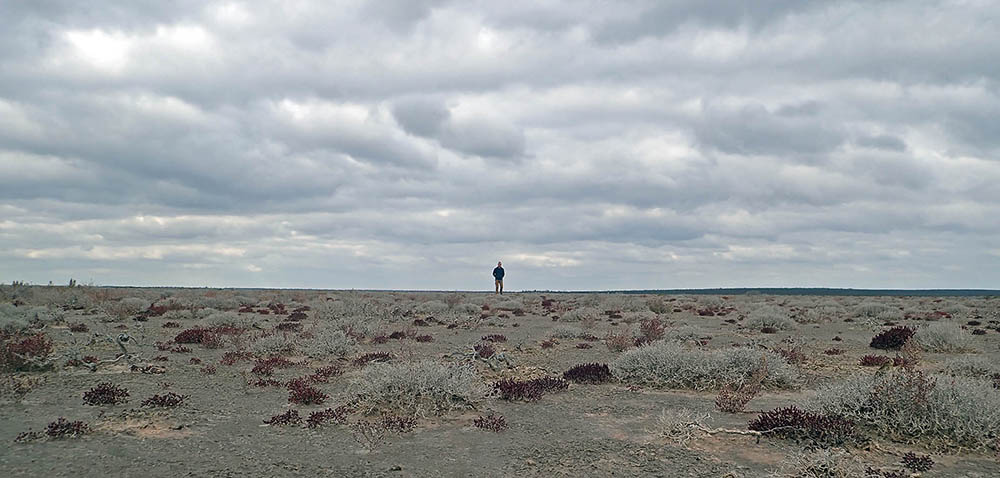 The author Damon Ramsey made to feel small in the expansive salt flats!
Other arid habitats that may be adjacent include: the arid Eucalypt woodlands found in gorges and along dry rivers, the spinifex grasslands found on rocky and sand dunes, and the Mulga shrublands.
Unlike many other arid areas in the world, in Australia the rainfall is not always received in annual cycles, but often follows longer term non-annual events. There is a boom-and-bust pattern that occurs over many years, and can be unpredictable, with little rain for many years, and then a huge amount at once with subsequent flooding.
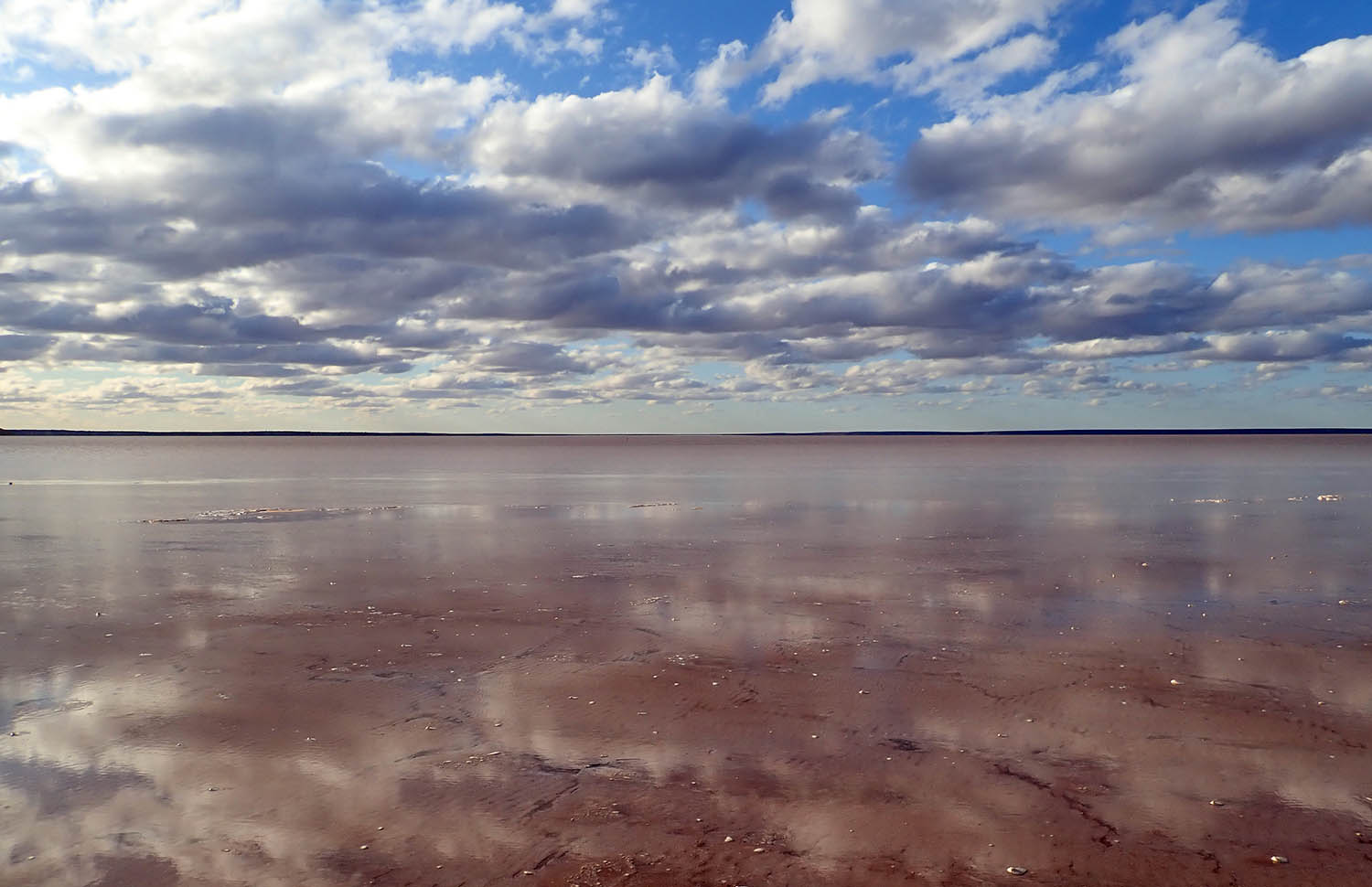 Desert lake full of water, (South Australia)
The Chenopodiaceae is an important and diverse group in the Australian arid regions because it contains widespread salt-tolerant groups such as Ptilotus, and the Samphires & Bluebushes.
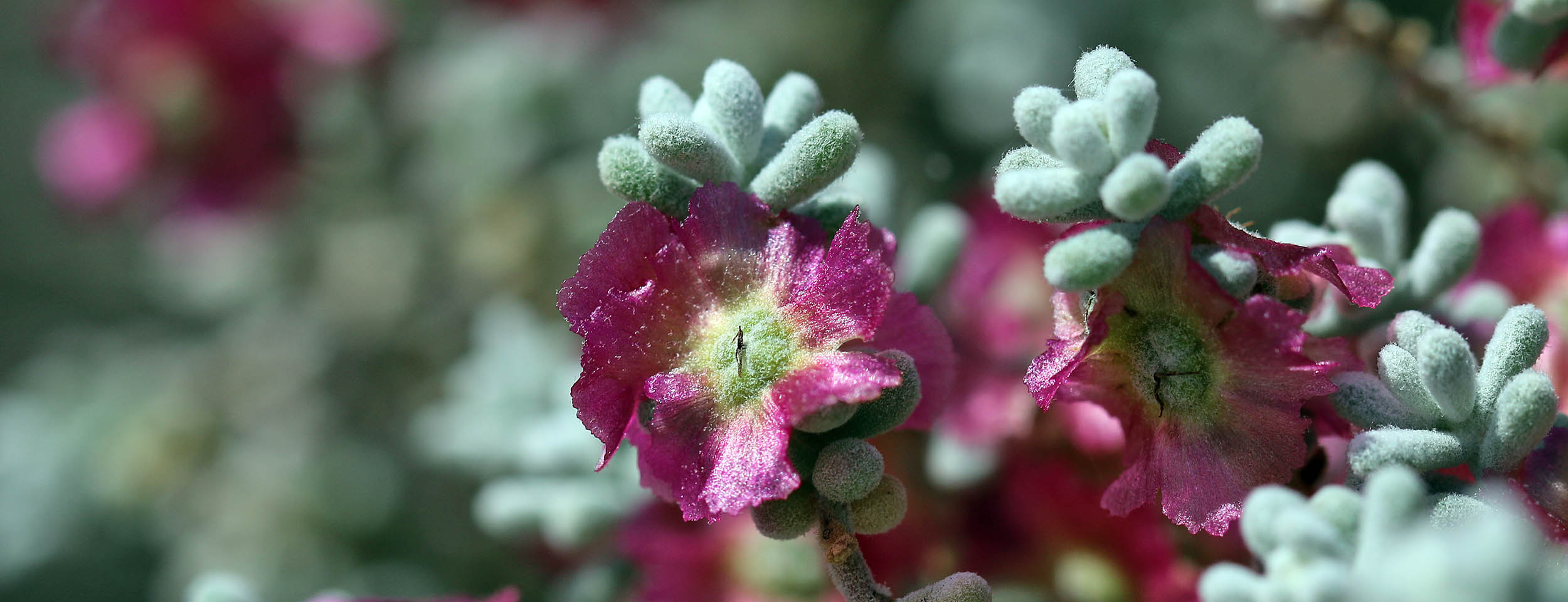 (Bluebush, outside of Coober Pedy, South Australia)
Except for one species, the 'Samphires' are found only in Australia. They are small shrubs. Their leaves and stems have a jointed segmented appearance and are fleshy. These plants are found in and adapted to high salt situations, such as the edge of mangroves, mudflats, saline and dry lakes, and deserts.
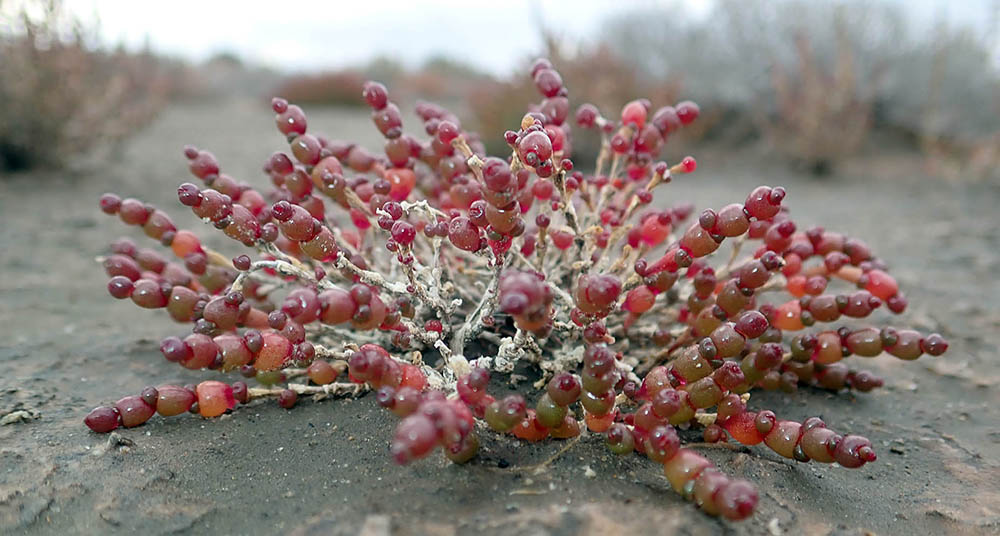 Tecticornia sp. 'Samphire', (Lake King, Western Australia)
Chats are a type of honeyeater that has evolved to feed on the ground of arid areas, where they feed on the nectar on low flowers, but where they also catch a lot of invertebrates.
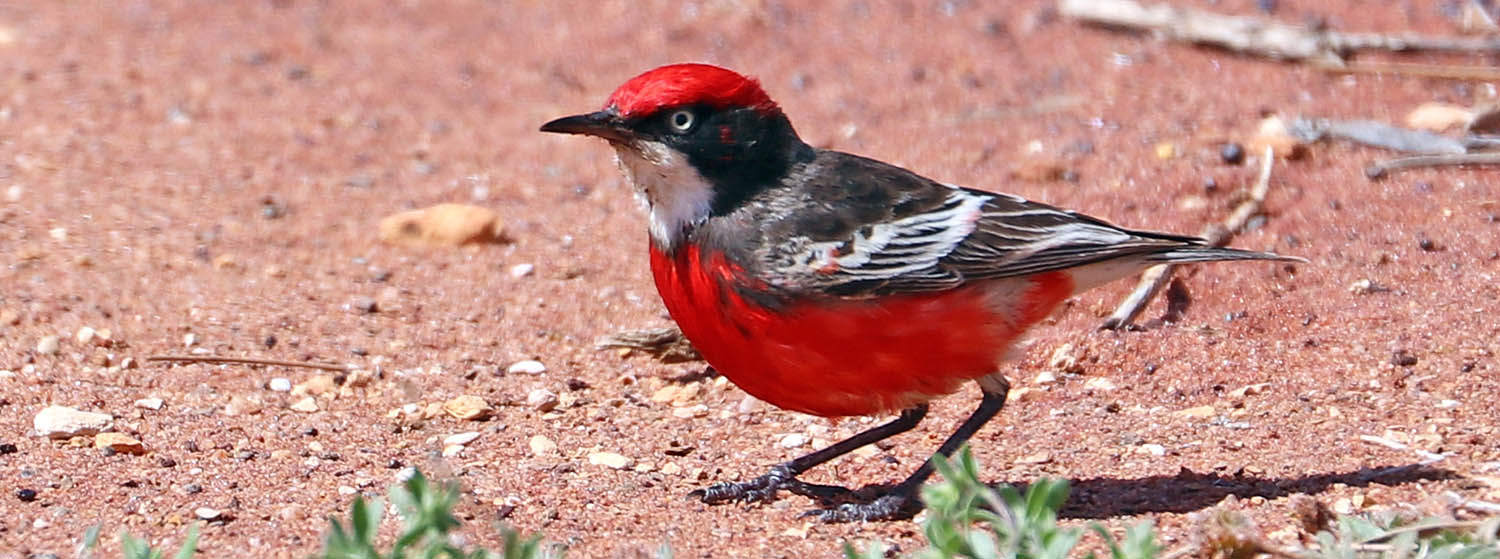 'Crimson Chat', (Stuart Highway, north of Coober Pedy).
Your second block of text...
About the author
the author isolating during covid in the chenopod shrublands of arid AustraliaWritten by Damon Ramsey. All photographs by author (unless credited otherwise). This is not AI written. Images and information are added to this website continuously as of 2026. Feel free to copy photographs for educational purposes, but please acknowledge with: www.ecosystem-guides.com. Ecosystem Guides posts pretty shots on Instagram and some sillier photos on Facebook. Contact Email: damon@ecosystem-guides.com
Search this website (and the wider internet):
For books in the "Ecosystem Guides" series on Amazon (international) click on the book cover below
(or go to your country specific Amazon website to order, for example, click here for Amazon Australia)