ecosystem-guides
....exploring the planet's ecosystems
NEOTROPICAL
(Atlantic) Lowland Tropical Rainforest
The lowland rainforest of the Neotropics spreads across a huge geographical area, but can be seperated into a few broad areas. The majority and most well known is centred around the massive Amazonian basin. There is another area of rainforest on the Atlantic coast.
There is also a huge diversity of beautiful species in the rainforests across the tropical Americas. The biggest and showiest butterflies are the Swallowtails of the family Papilionidae.
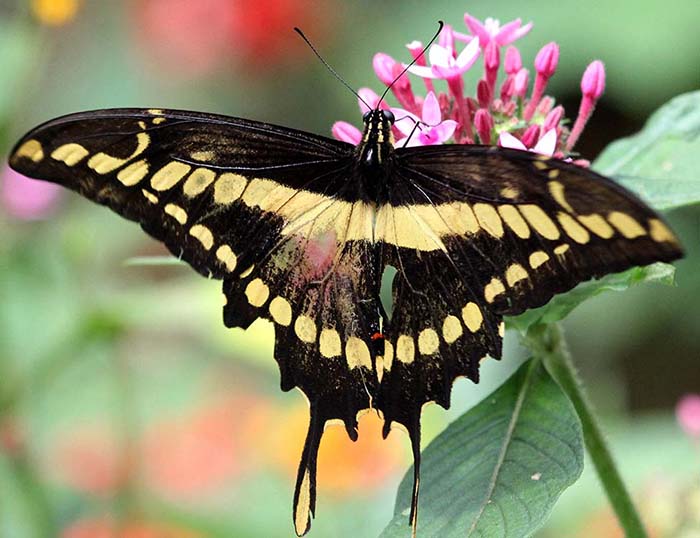 'King Swallowtail, (Iguazu Falls, Brazi).
Toucans are medium to large sized birds, always with large bills and bright colours.
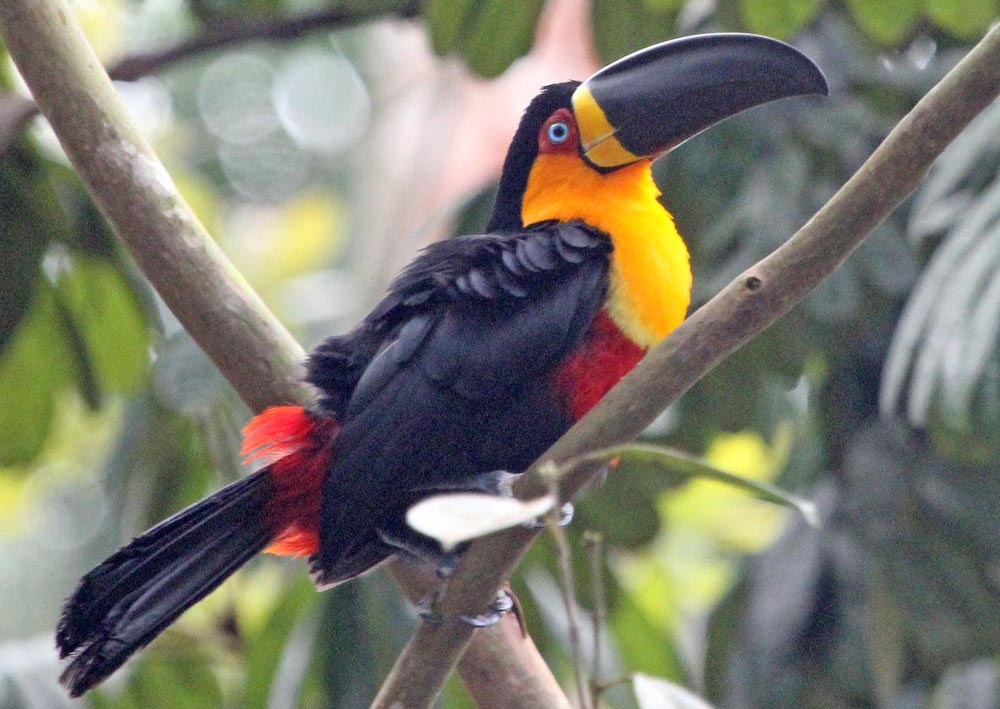 'Ariel Toucan', (Rio Botanical Gardens, Brazil).
Tanagers are one of the most colourful and diverse group of birds in the Neotropical jungle. They are the second largest family of birds, with over 200 species. Many are colourful, and most are distinct enough to be easily recognisable. All the species in the Tanager are restricted to the Neotropics; many have small distributions.
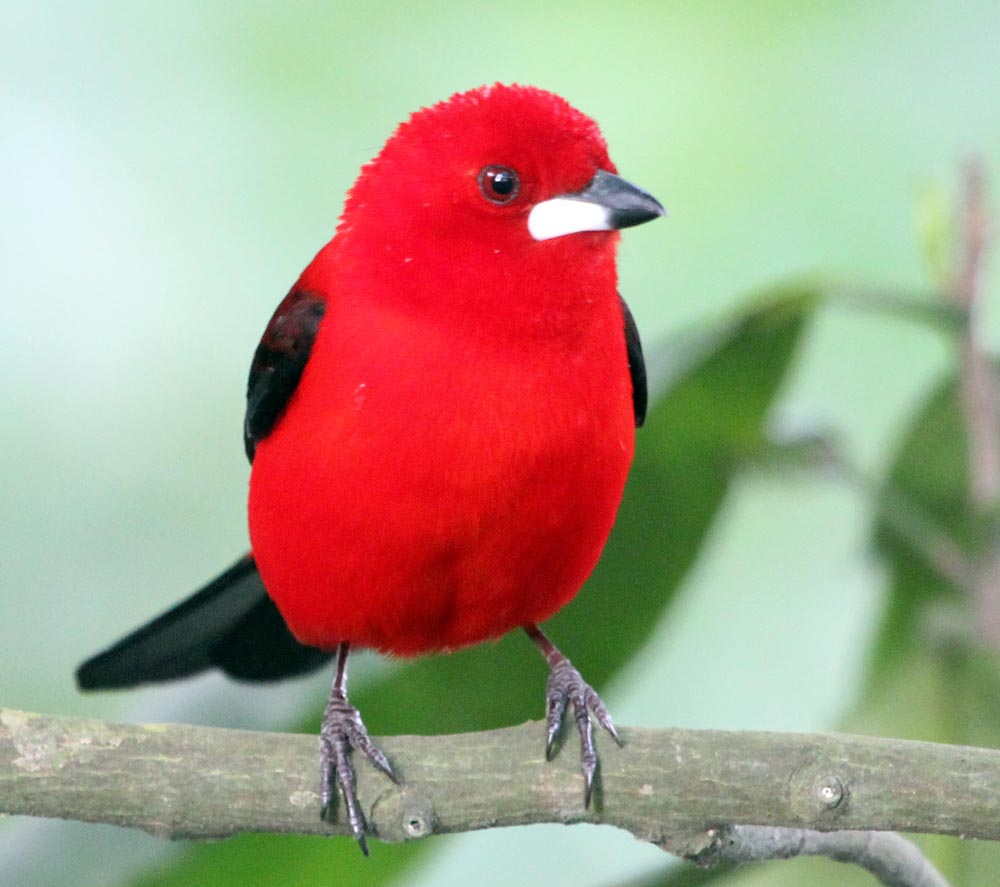 'Brazilian Tanager', (Sugar Loaf, Brazil).
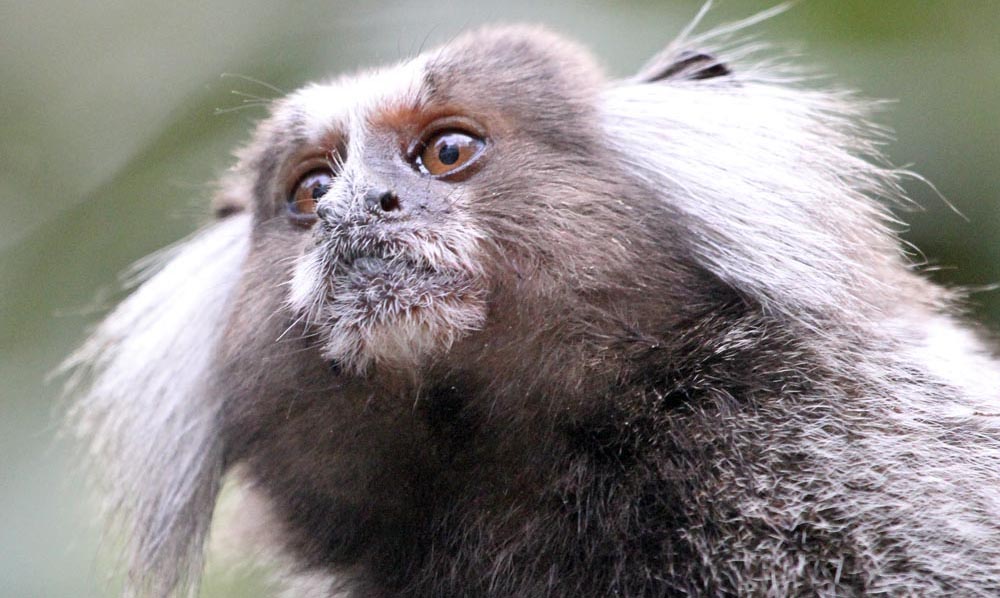
The smallest primates are the Marmosets and Tamarins. They scamper about in cooperative polyandrous groups, with one central reproductively active female, who breeds with multiple males. They are reported to produce mostly twins at birth. They are only found in the Neotropics of South and Central America.
Places to experience the Atlantic rainforest
Atlantic rainforest can be appreciated in the biggest country in South America, Brazil, at the scenic Iguazu Falls.
About the author
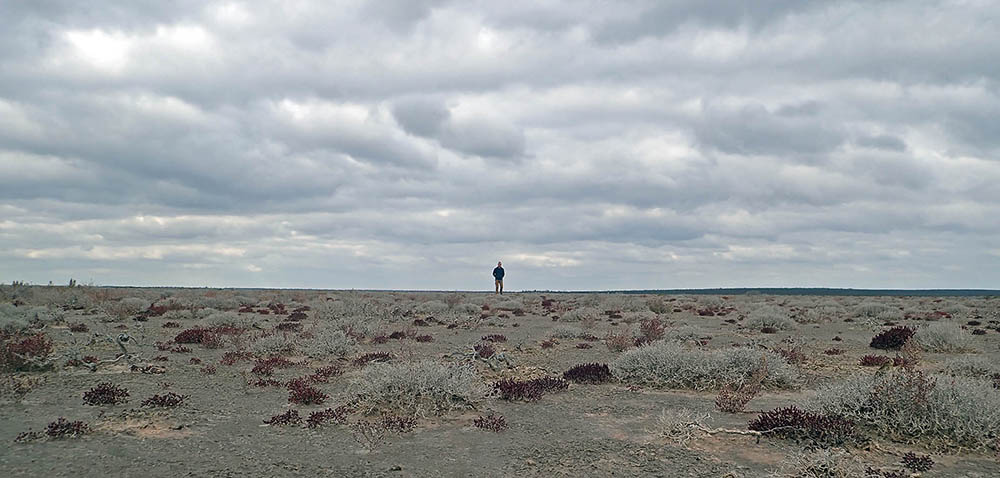 the author isolating during covid in the chenopod shrublands of arid Australia
Written by Damon Ramsey. All photographs by author (unless credited otherwise). This is not AI written. Images and information are added to this website continuously as of 2026. Feel free to copy photographs for educational purposes, but please acknowledge with: www.ecosystem-guides.com. Ecosystem Guides posts pretty shots on Instagram and some sillier photos on Facebook. Contact Email: damon@ecosystem-guides.com
Search this website (and the wider internet):
For books in the "Ecosystem Guides" series on Amazon (international) click on the book cover below
(or go to your country specific Amazon website to order, for example, click here for Amazon Australia)