ecosystem-guides
....exploring the planet's ecosystems
INDO-PACIFIC
Tropical Muddy Seashore
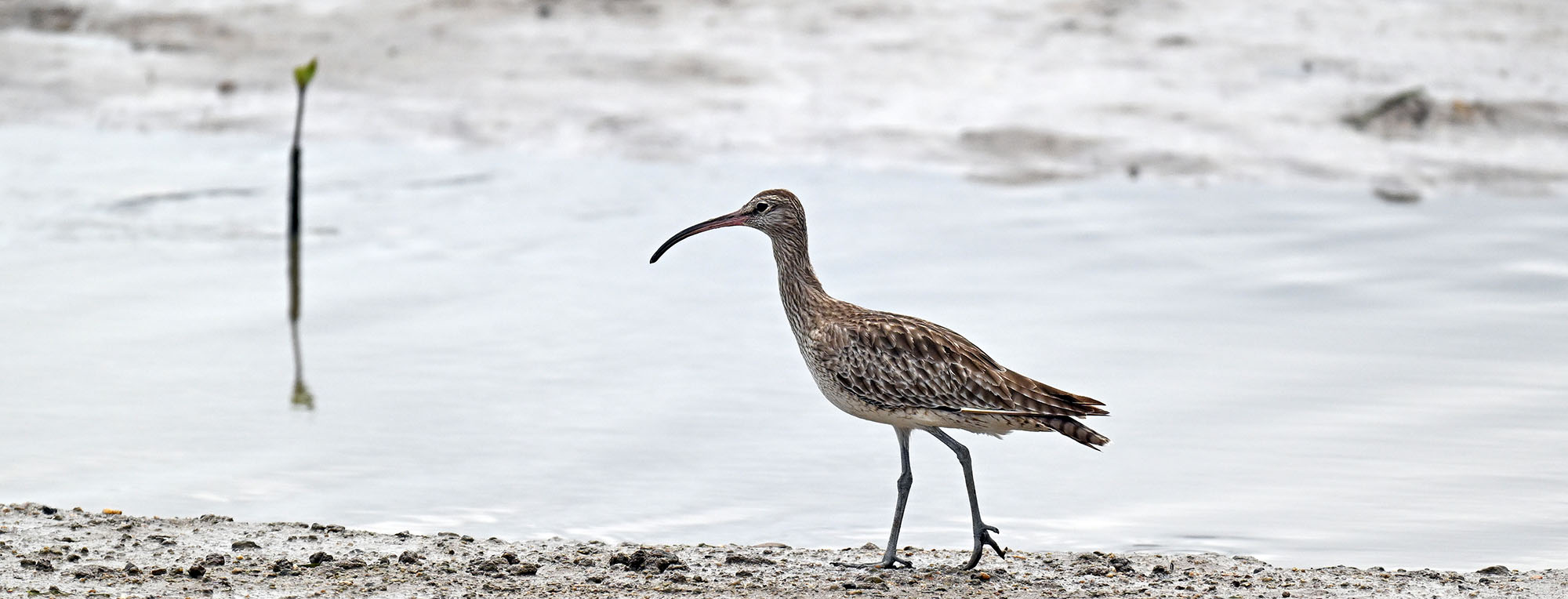
The tropical Indo-Pacific mudflats are probably most famous for their feeding shorebirds and waders...
The seashore itself can be mudflats, a rocky shore, or the classic sandy beach. This very narrow habitat is adjacent to a rich array of other habitats around the world. In the shallow warm water just off the beach are Sea Grass beds. If you are lucky there can also be patches of Coral Reefs. Salt tolerant mangroves communities start to grow on the edge of the ocean (different regions are covered in Australasian Mangroves, Indo-Malayan Mangroves, Neotropical Mangroves and Afrotropical Mangroves). Above the land plants the littoral forest transitions into other forests.
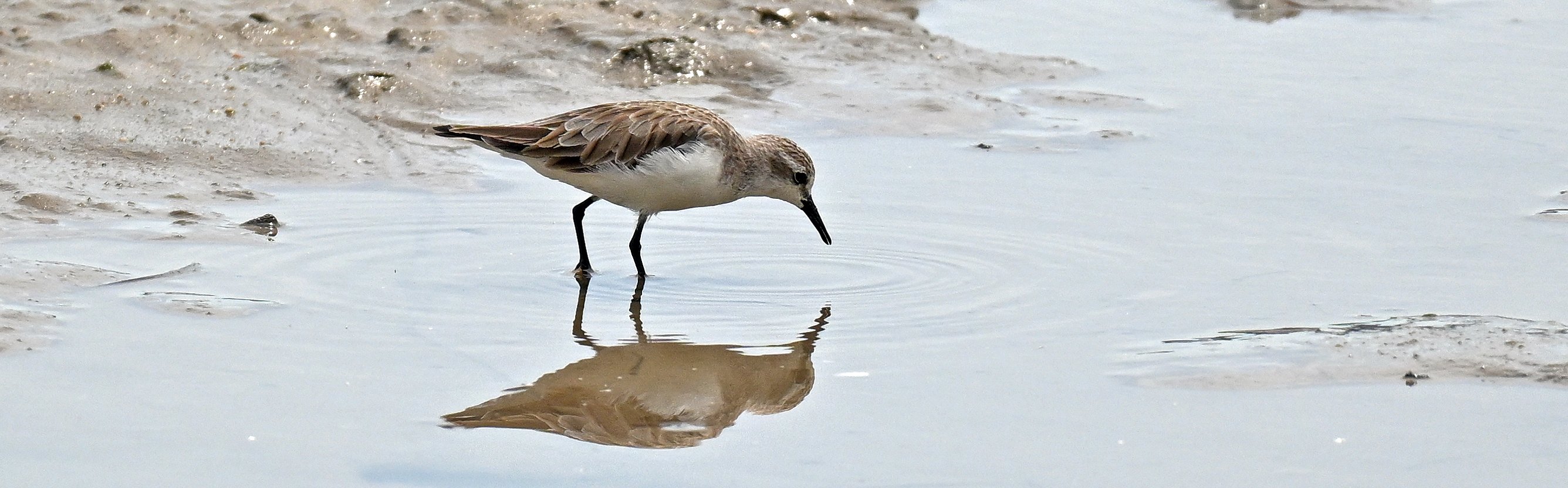
In areas of higher tide or in protected bays, finer sand and mud will accumulate. These seashores are much richer in life within their fine-grained substrate. They subsequently attract many more of the feeding shore birds. These softer seashores in more protected estuaries commonly end up with mangrove forests growing on their edge.
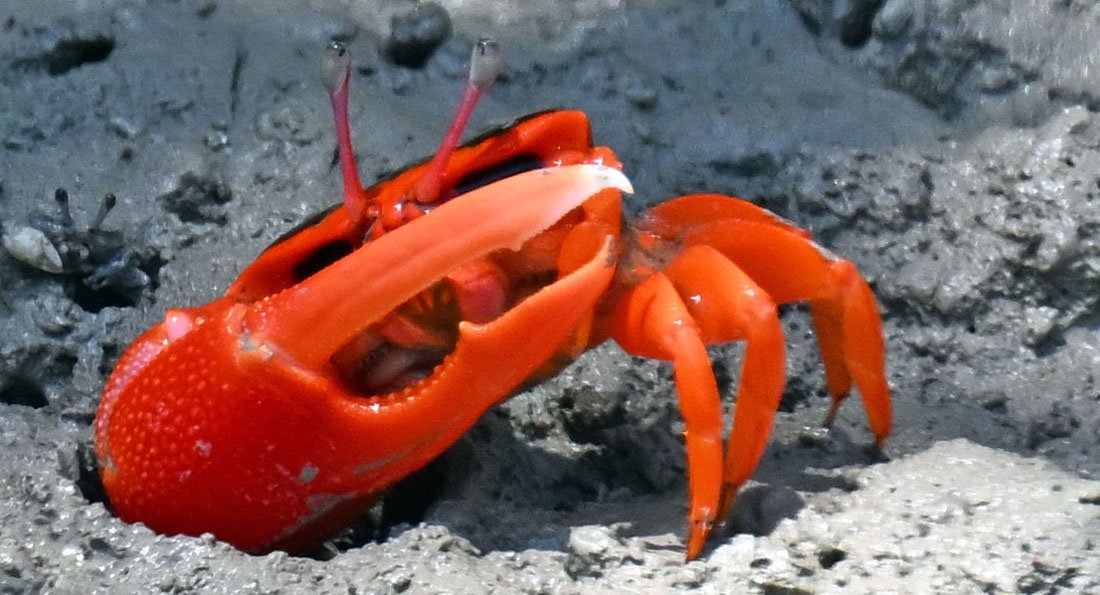
‘Fiddler Crabs’ are usually seen in and near mangroves, but they are also frequently noticed on exposed mud flats. Most people recognise them because of the way they brandish their large claws about, sometimes in synchronous large groups. However, only the males have the single much larger claw. It is used for signalling to females, and also to establish territory and fight with other males. One of the most distinctive is the all bright red ‘Flame Fiddler’ Uca flammula of northern Australia (image below).
Despite the common name, ‘acorn worms’ are not true worms, but belong to a different class of some 70 species. They are found around the world in marine sediments; some are deep water, but the most frequently seen species, and thus best known, are those that inhabit intertidal mud and sand. The animal themselves are floppy and worm-like, ranging from 10cm to several metres in length. The animals themselves are rarely seen, living in a burrow and feeding just below the surface of finer sand, however, the result of their feeding is often obvious once the tide goes out, for the castings of some species is shaped distinctively like small piles of sandy dog poo, as in image below.
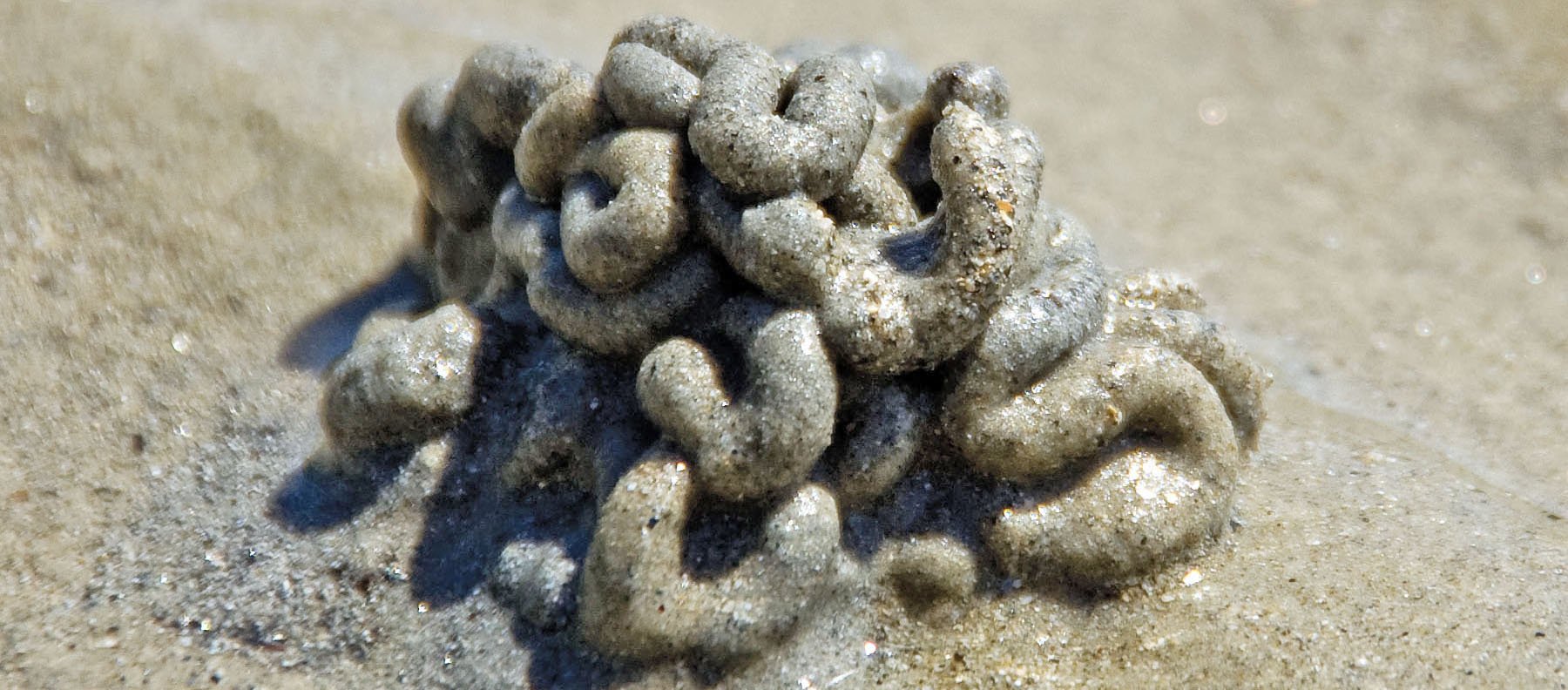 Cape Tribulation beach, Australia.
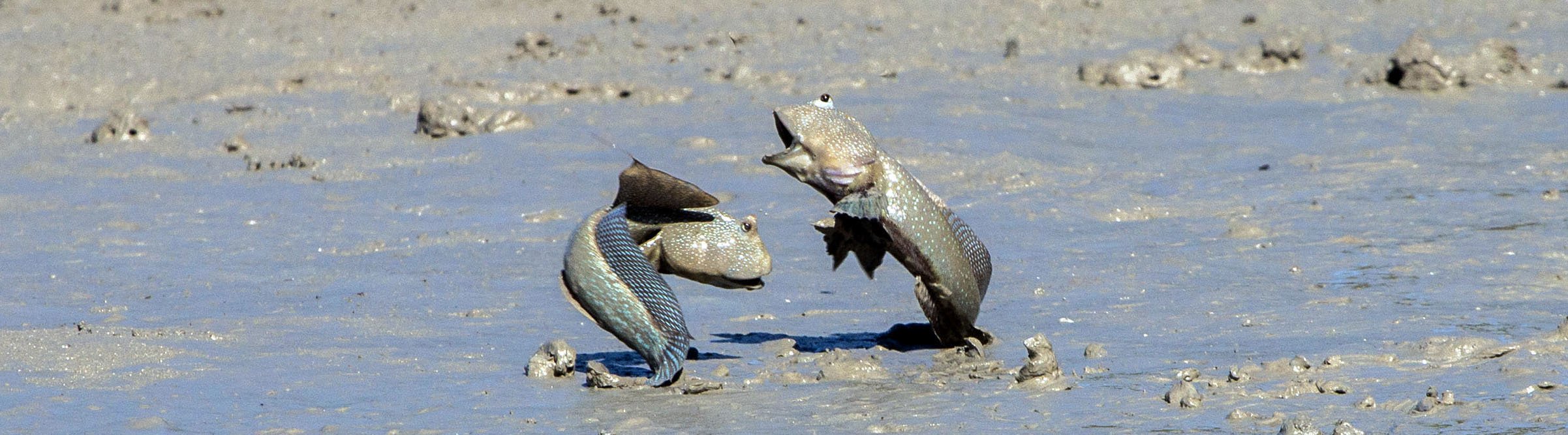
The Gobiidae is a huge family that contains mainly smaller fish, particularly around the coral reefs, but they mostly lie motionless and generally go unseen. However, a small sub-group (or several) of the gobies have evolved into the ‘Mudskippers’. And of all the fish, these one of the few types that are truly at home out of the water as well as in, and they are one of the most interesting (and entertaining) components of the muddy tropical shore. The 20 species are distributed across the tropical Indo-Pacific, being absent from the Caribbean. Some use their erectile dorsal fins in territorial displays. Others leap up from their pools of water in the mud to display to one another, jumping up to 60cm in height. If you are lucky you might see males battling each other in the mud (image below).
And the king of the sloppy seashore across the Australasian and Indo-Malayan parts of the tropics is the Indo-Pacific Crocodile....
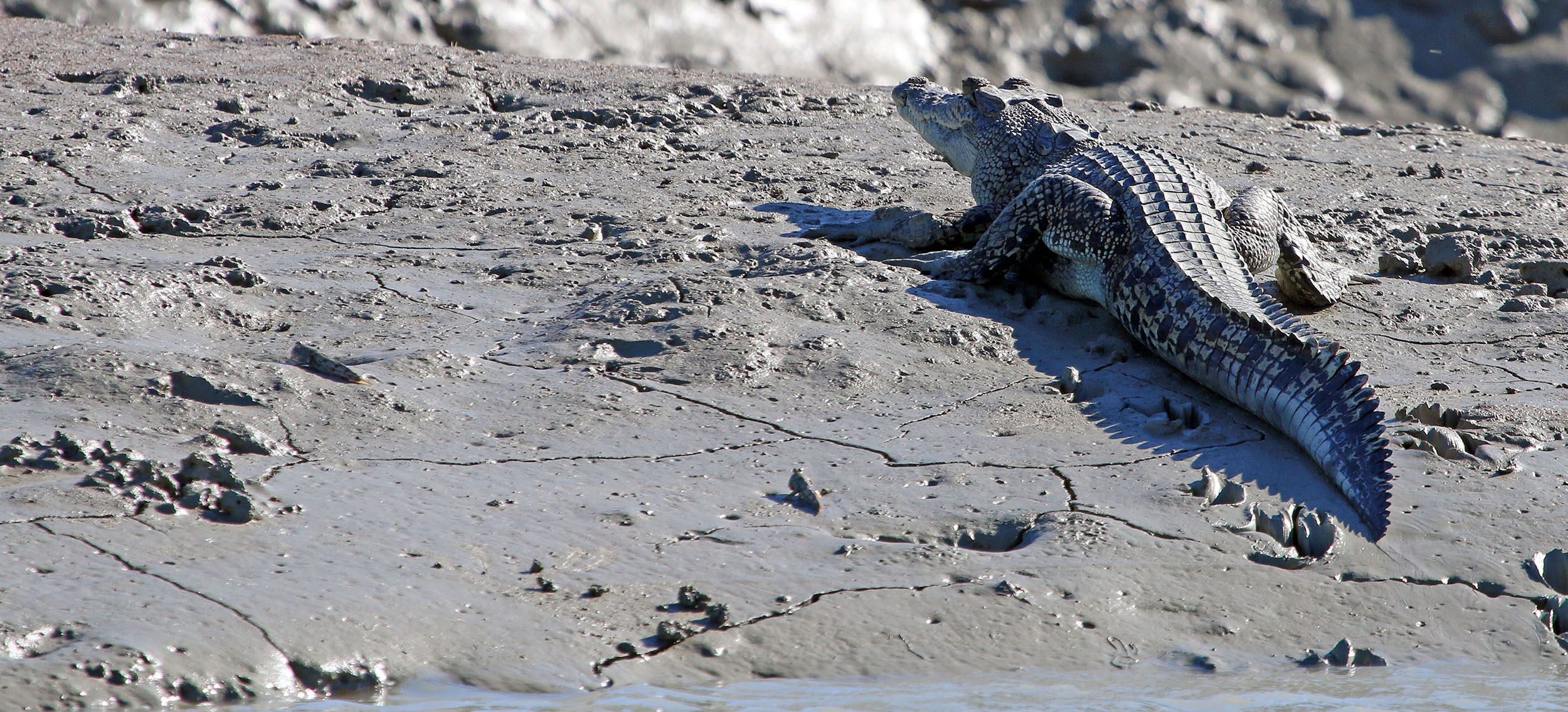
Places to get dirty on the Indo-Pacific tropical muddy seashore
In the north east of Australia is the muddy but birdy Cairns esplanade. On the north west coast of Australia is Broome,
For LOTS more information on the tropical seashore, in fact a whole book, check out: "Tropical Seashores"written by...me!
About the author
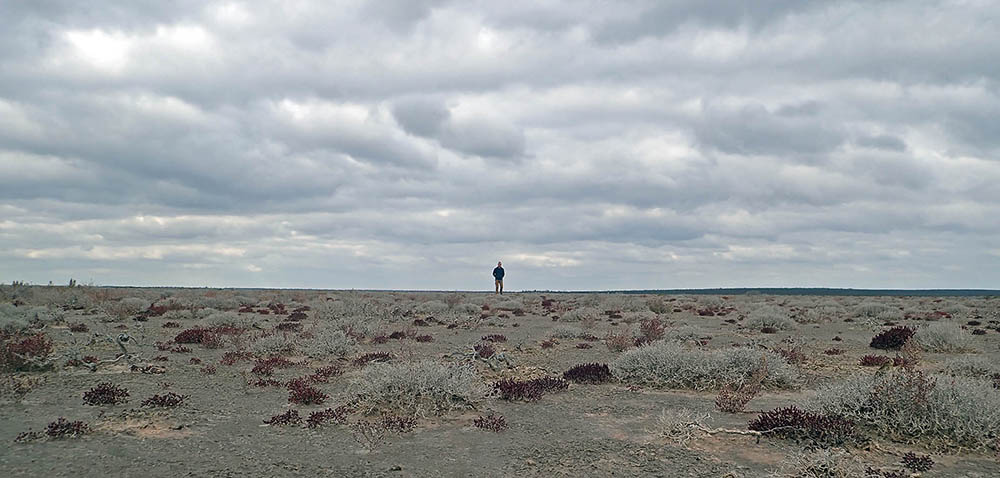 the author isolating during covid in the chenopod shrublands of arid Australia
Written by Damon Ramsey. All photographs by author (unless credited otherwise). This is not AI written. Images and information are added to this website continuously as of 2026. Feel free to copy photographs for educational purposes, but please acknowledge with: www.ecosystem-guides.com. Ecosystem Guides posts pretty shots on Instagram and some sillier photos on Facebook. Contact Email: damon@ecosystem-guides.com
Search this website (and the wider internet):
For books in the "Ecosystem Guides" series on Amazon (international) click on the book cover below
(or go to your country specific Amazon website to order, for example, click here for Amazon Australia)