ecosystem-guides
....exploring the planet's ecosystems
NEARCTIC
Madrean Pine-Oak Woodlands
Mexico
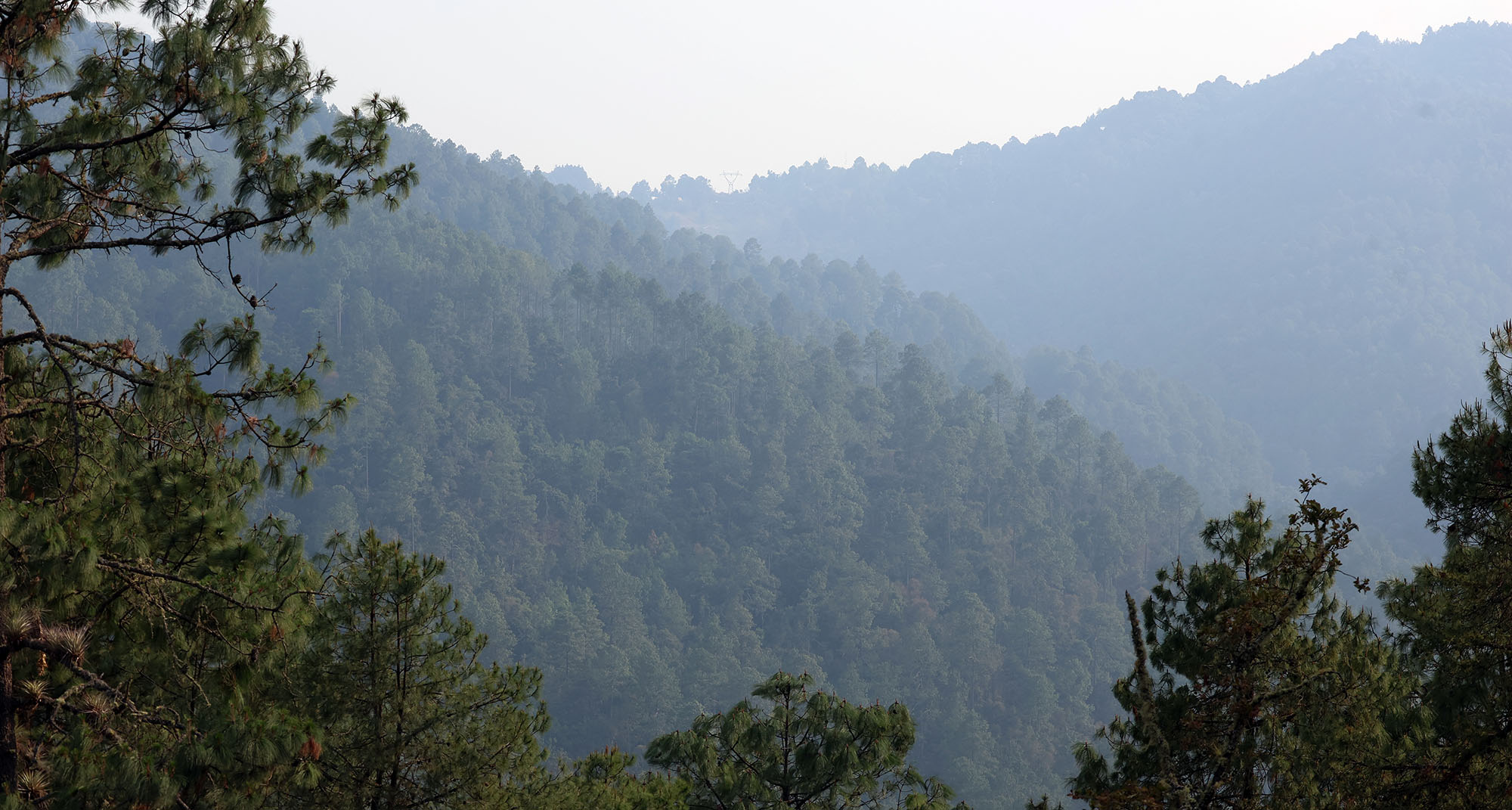
The cooler Pine-Oak forests and woodlands of Mexico's inland mountains offers a nice change from the lowland deciduous jungles of the coast and the arid scrub of the valleys. Even though this habitat is physically not too far from Neotropical rainforest and Neotropical tropical woodland, I have placed it into the Nearctic biogeographical region due to the taxonomic affinities of it's plant and animal species. Some of the species and many of these families extend up into North America and will look familiar to folks that live in the USA.
There are many striking (New World) Warblers moving back and forth seasonally from the Nearctic to the Neotropics, so Mexico is obviously a thoroughfare for these colourful migrants. Below is the 'Crescent-chested Warbler', a species that enjoys Oaks.
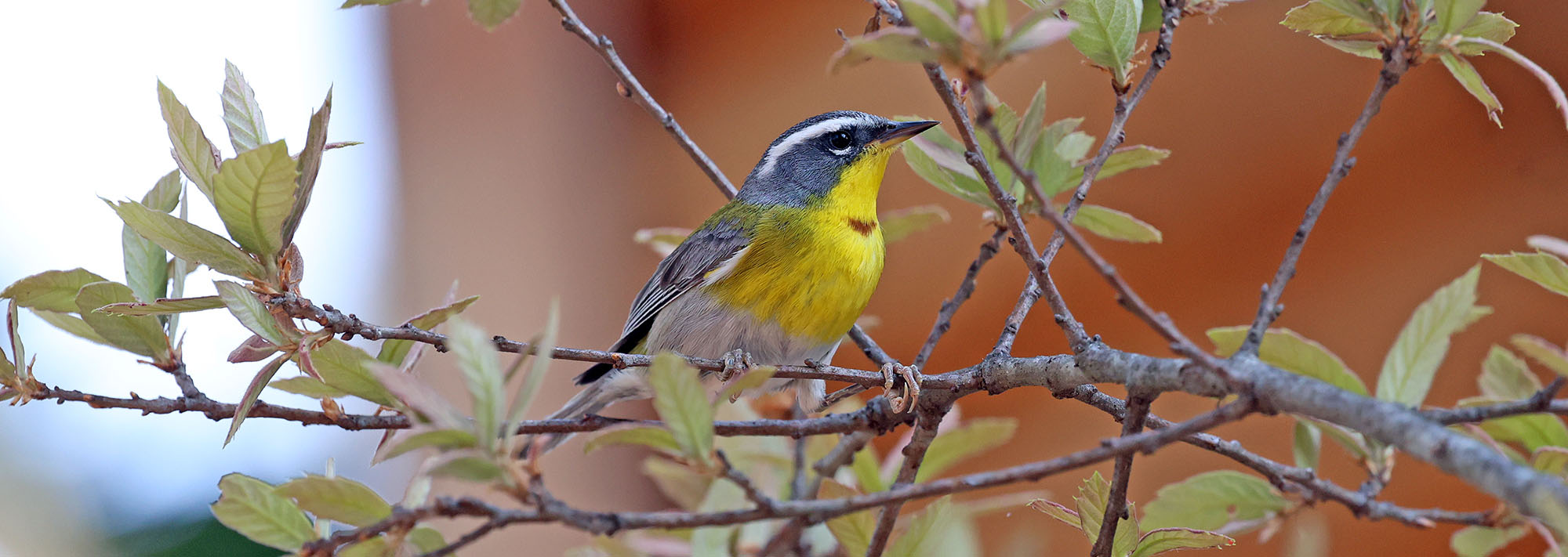 'Crescent-chested Warbler'
The Yellow-eyed Junco (image below) is another one of the more common birds of these Oak forests.
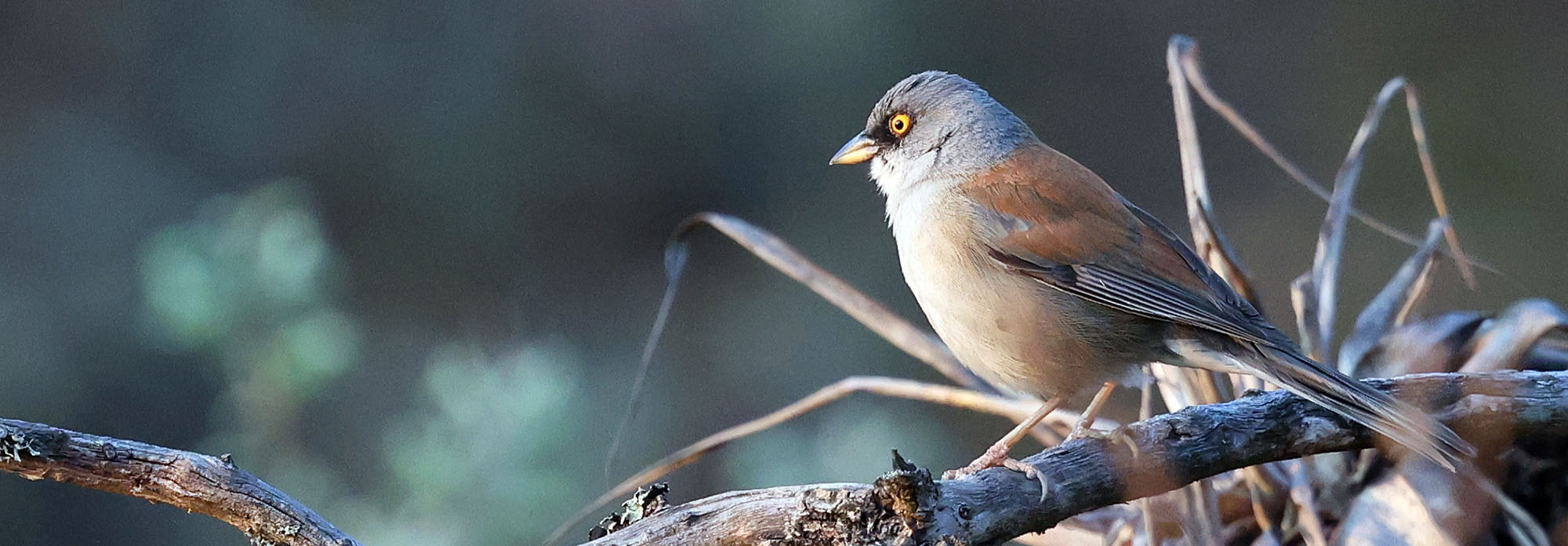 Yellow-eyed Junco, (Le Cumbre, Mexico)
The Dusky-capped Flycatcher (image below) is widespread throughout much of the Neotropics, but prefers Oak forest and woodland.
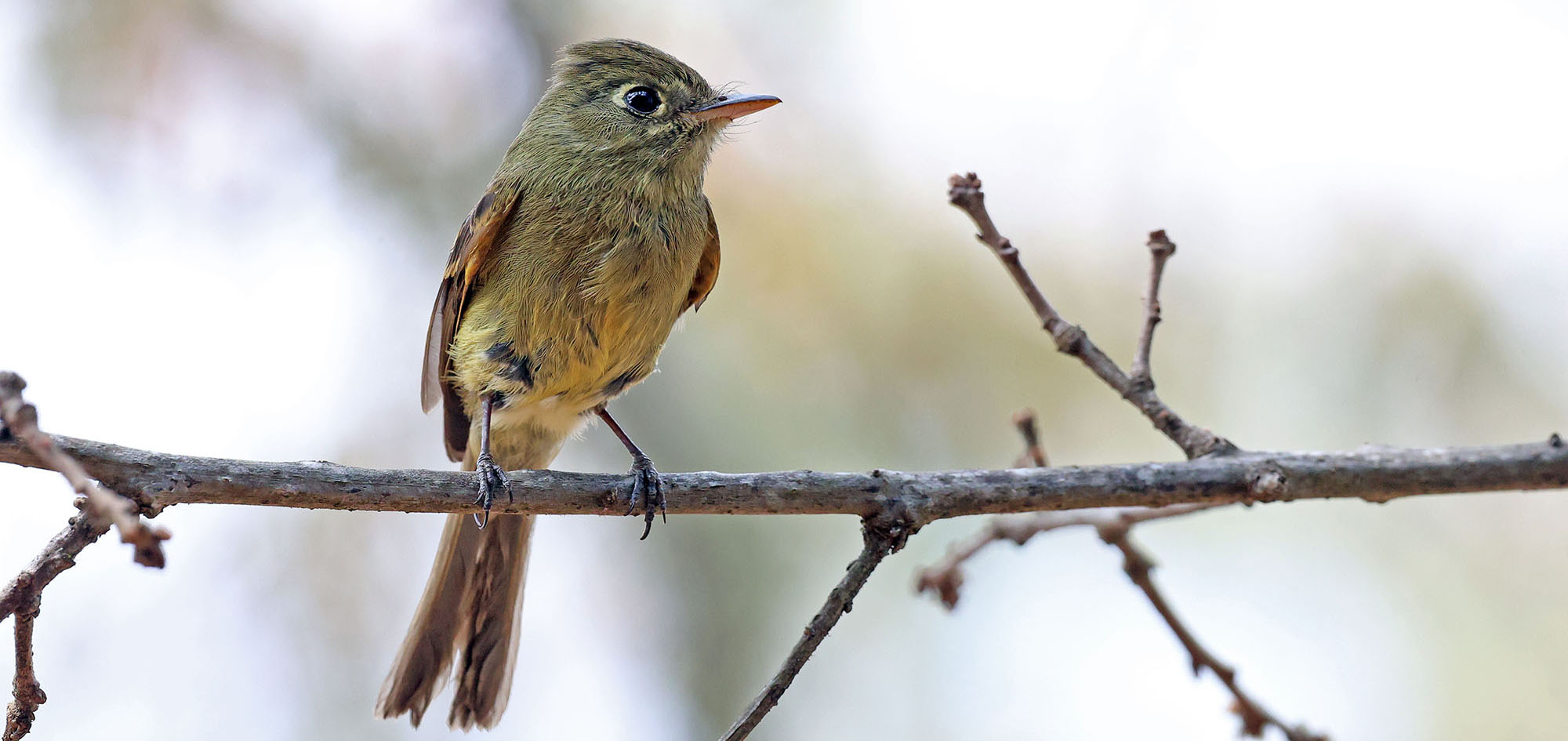 Dusky-capped Flycatcher (Le Cumbre)
Exploring the Pine-Oak woodlands of Mexico
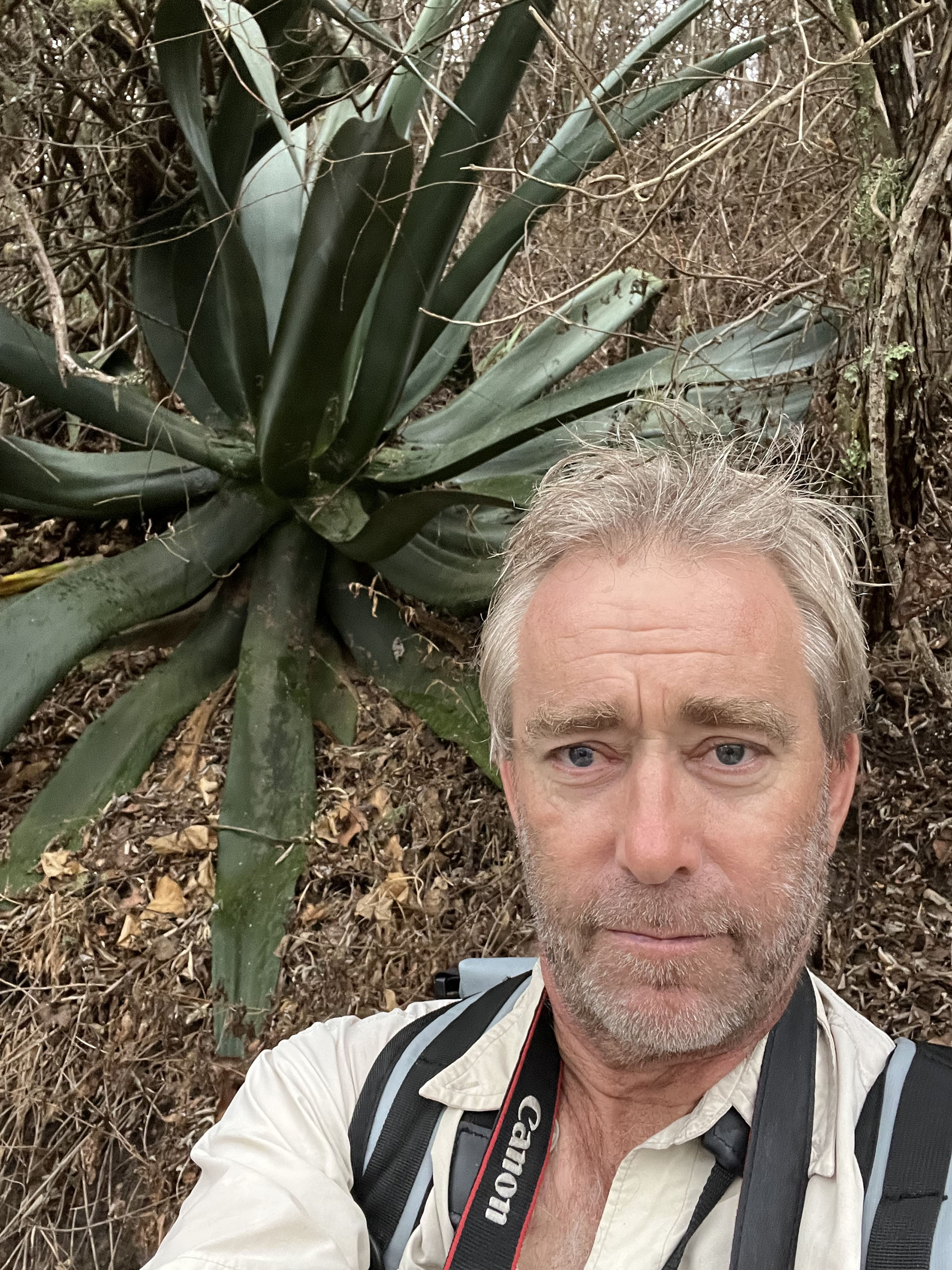 The author in front of a giant Yucca on the forest floor of Oak woodlands, Mexico.
You can explore this habitat along the many roads that go up and over the inland mountains of Mexico. There doesn't seem to be any birding lodges in the classic definition within this habitat (or indeed, over much of Mexico, to be honest). The easiest (and safest) forest seemed to be in the mountains either side of the city of Oaxaca.
I stayed at a small airbnb at Le Cumbre, north of Oaxaca, but I found the best place for exploring this habitat was south of the city at "Refugio Terraza de la Tierra". It is set up more as a relaxation retreat, but it has trails, and was productive for wildlife.
About the author
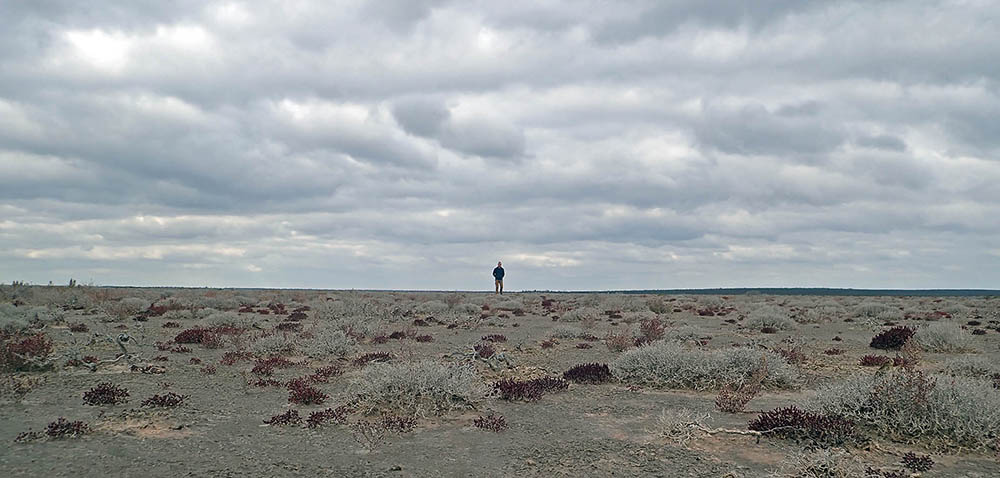 the author isolating during covid in the chenopod shrublands of arid Australia
Written by Damon Ramsey. All photographs by author (unless credited otherwise). This is not AI written. Images and information are added to this website continuously as of 2026. Feel free to copy photographs for educational purposes, but please acknowledge with: www.ecosystem-guides.com. Ecosystem Guides posts pretty shots on Instagram and some sillier photos on Facebook. Contact Email: damon@ecosystem-guides.com
Search this website (and the wider internet):
For books in the "Ecosystem Guides" series on Amazon (international) click on the book cover below
(or go to your country specific Amazon website to order, for example, click here for Amazon Australia)