ecosystem-guides
....exploring the planet's ecosystems
NEOTROPICAL
Human Tropical Habitats
(Farms, Gardens & Settlements)
Of course birds are one of the most adaptable groups of animals to human modified habitats. There are many species that seem to live naturally in various "open" habitats, such as forest edge, grasslands and freshwater swamps, and some of these have crossed over...
The largest family of all birds, the Tyrannidae, include many species that are frequently perched around human settlements. The 'Masked Water Tyrant' Fluvicola nengeta is a bird of mangrove and shrubland that is happy to hang out on the beach in Rio with the other birds.
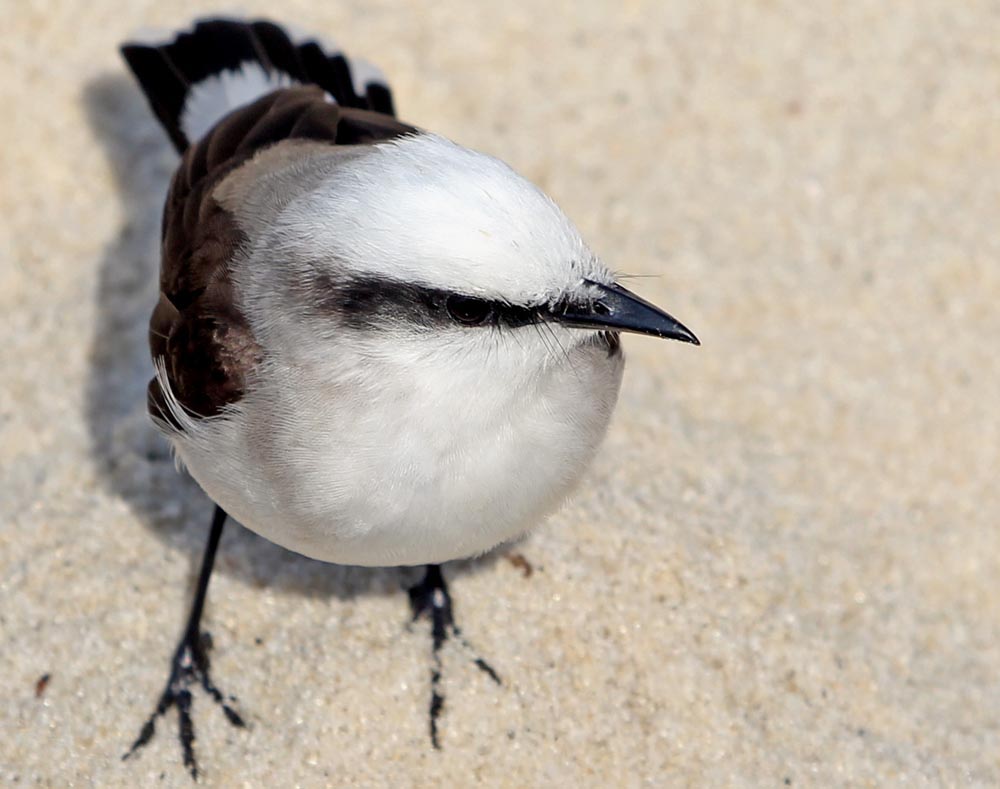 (Rio, Brazil)
There are many flycatchers with the familiar combination of yellow, black and white, that perch on wires to watch us across the tropical Americas. The Kingbirds are the most ubiquitous. The 'Great Kiskadee' Pitangus sulphuratus is found in shrubby areas, usually near water, but most commonly seen in urban areas throughout the Americas, often perched conspicuously on wires.
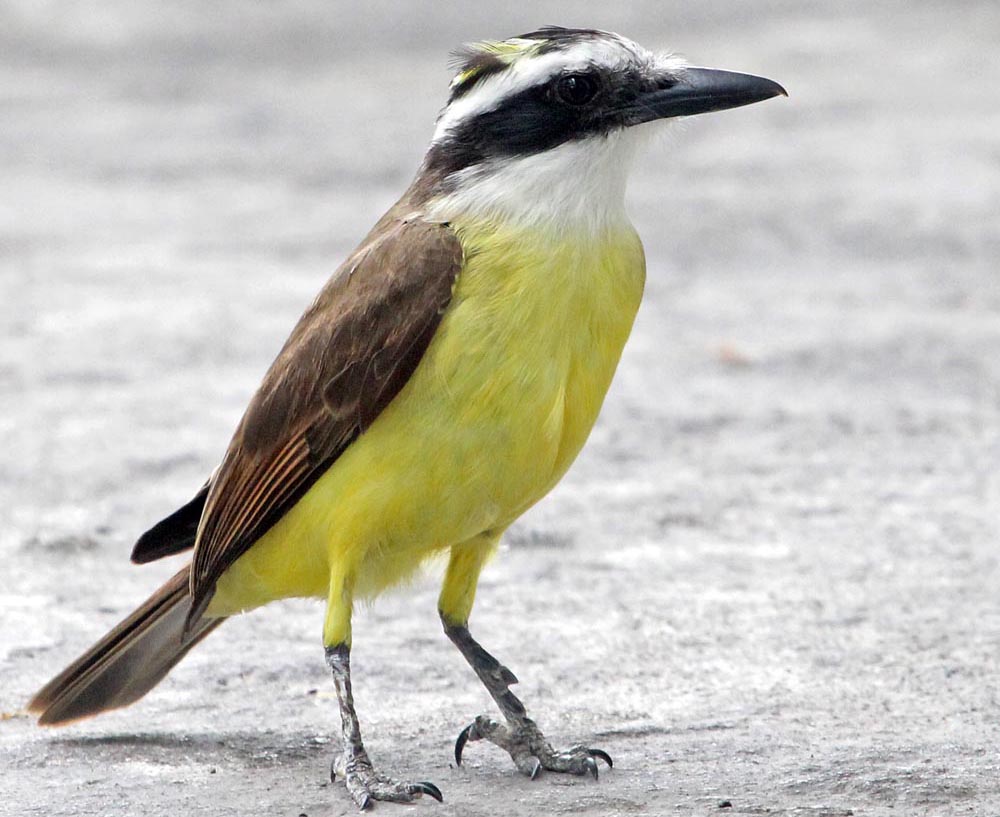 (Rio, Brazil)
The New World Blackbirds include many familiar urban species, even groups of species, such as the Grackles...
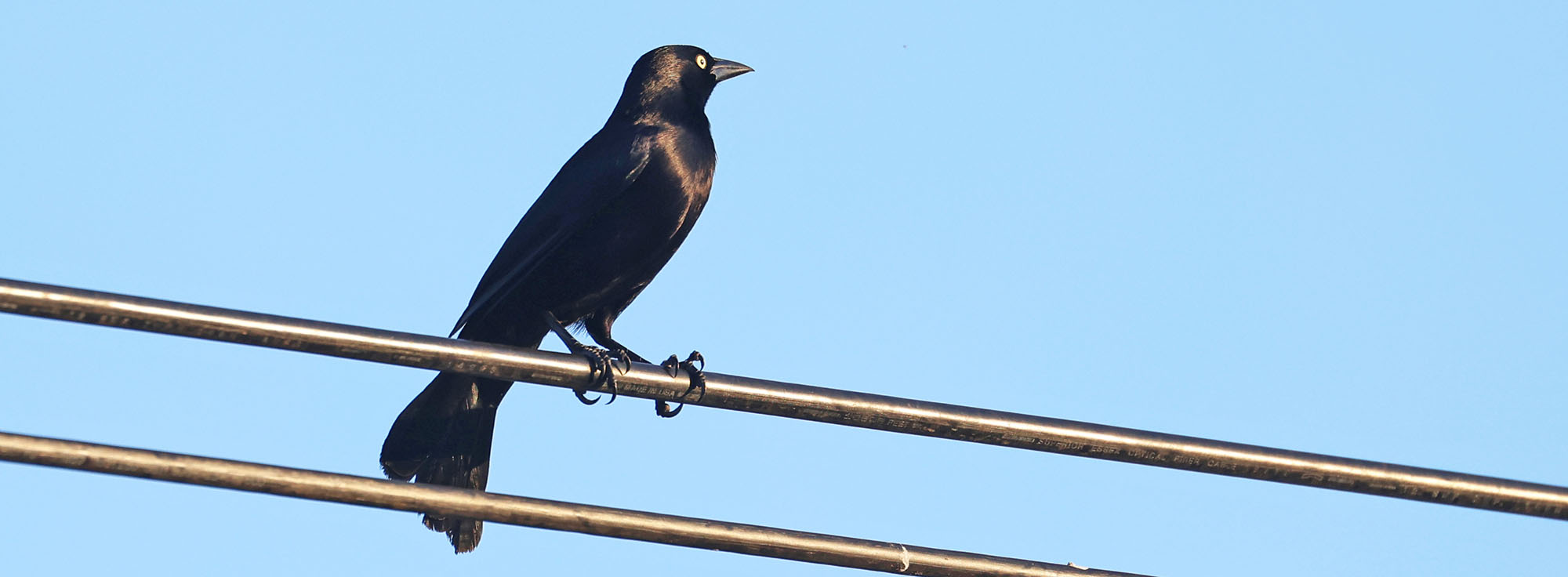 (Antigua)
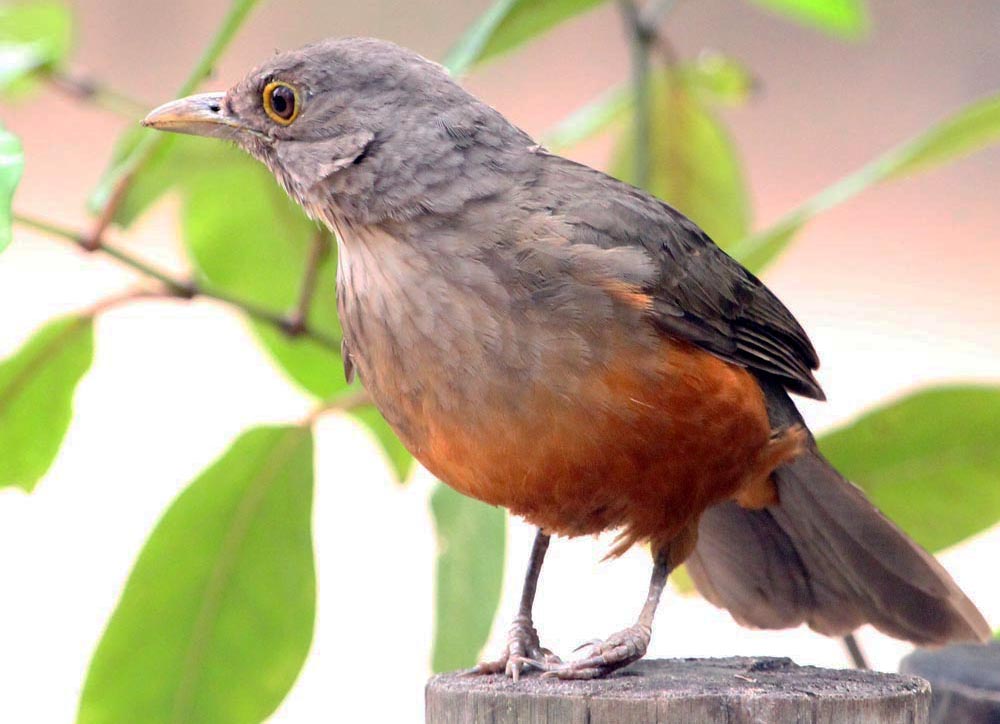
In the tropical Americas the Thrushes of the family Turdidae have adapted well to agricultural areas and are often seen around homes and lodges. Below is the 'Rufous-bellied Thrush' Turdus rufiventris , which is found in various habitats in eastern part of South America.
The Tanager family the Thraupidae, includes one of the most commonly see birds in the tropical Americas: the 'Bananaquit' Coereba flaveola pops up everywhere!
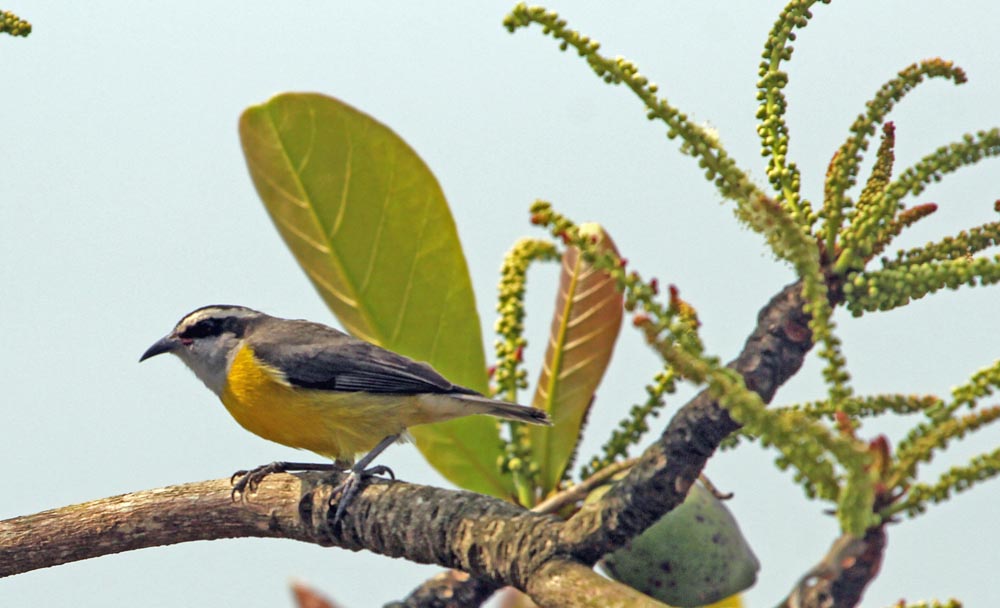 (Sugarloaf, Brazil)
There are a few mammals that do well sniffing around humans in the tropical Americas. Below is the 'Common Marmoset' Callithrix jacchus, found in Atlantic forest and other habitats in north-eastern Brazil, including being introduced into Rio.
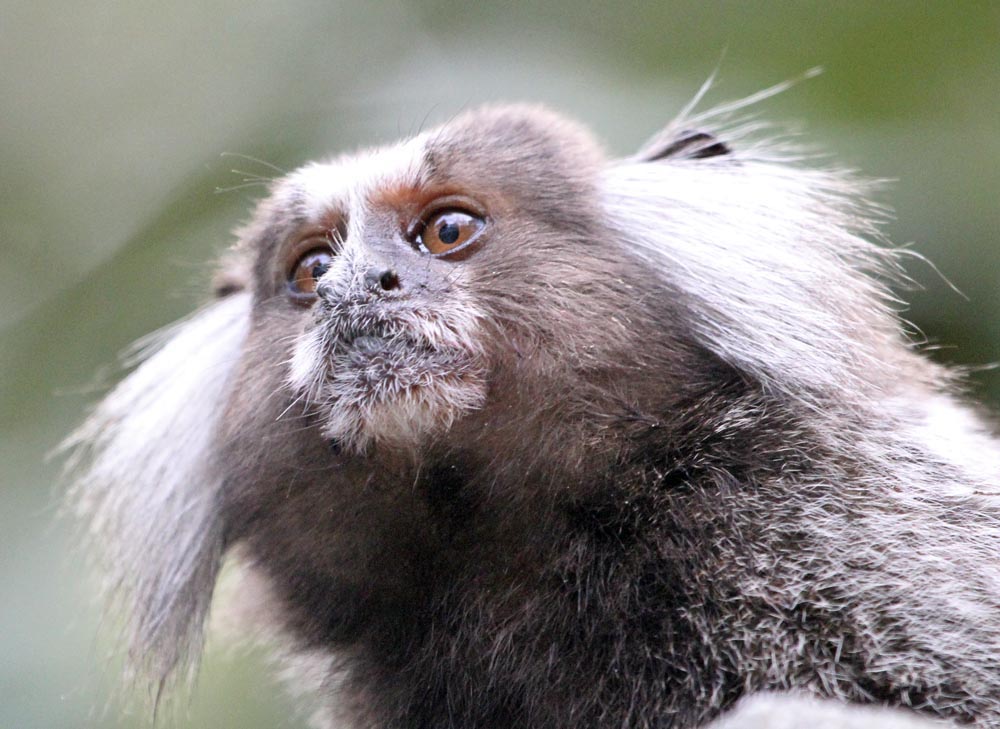 (Rio, Brazil)
Places to experience Neotropical Human Habitats
Sugar Loaf, which is located in Rio, Brazil.
About the author
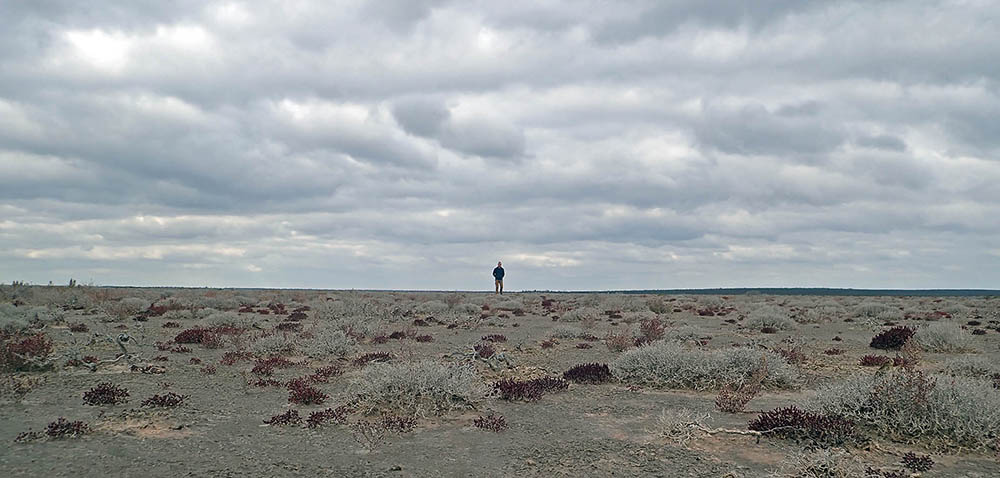 the author isolating during covid in the chenopod shrublands of arid Australia
Written by Damon Ramsey. All photographs by author (unless credited otherwise). This is not AI written. Images and information are added to this website continuously as of 2026. Feel free to copy photographs for educational purposes, but please acknowledge with: www.ecosystem-guides.com. Ecosystem Guides posts pretty shots on Instagram and some sillier photos on Facebook. Contact Email: damon@ecosystem-guides.com
Search this website (and the wider internet):
For books in the "Ecosystem Guides" series on Amazon (international) click on the book cover below
(or go to your country specific Amazon website to order, for example, click here for Amazon Australia)