ecosystem-guides
....exploring the planet's ecosystems
Kilwa Kisiwani
Tanzania
The Kilwa Kisiwani ruins are evocative of long gone African empires, and also have some wildlife...
personal experience
I have visited this area twice with two different expedition companies (2018-2020).
the ruins
The ruins are of course the main reason people come here. They are a UNESCO World Heritage Site. But surprisingly the site is not heavily visited, so you may well get the place mostly to yourself.
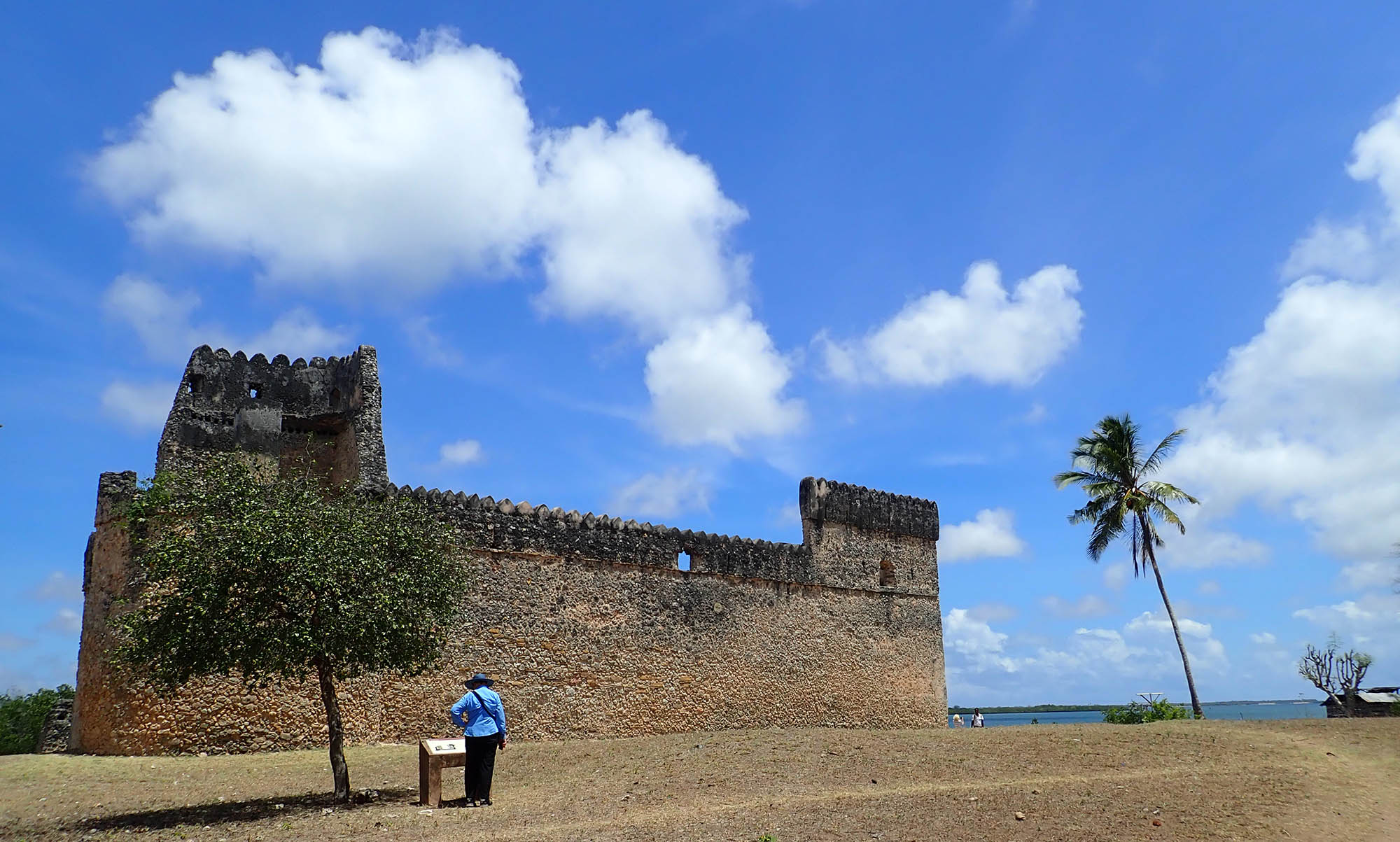
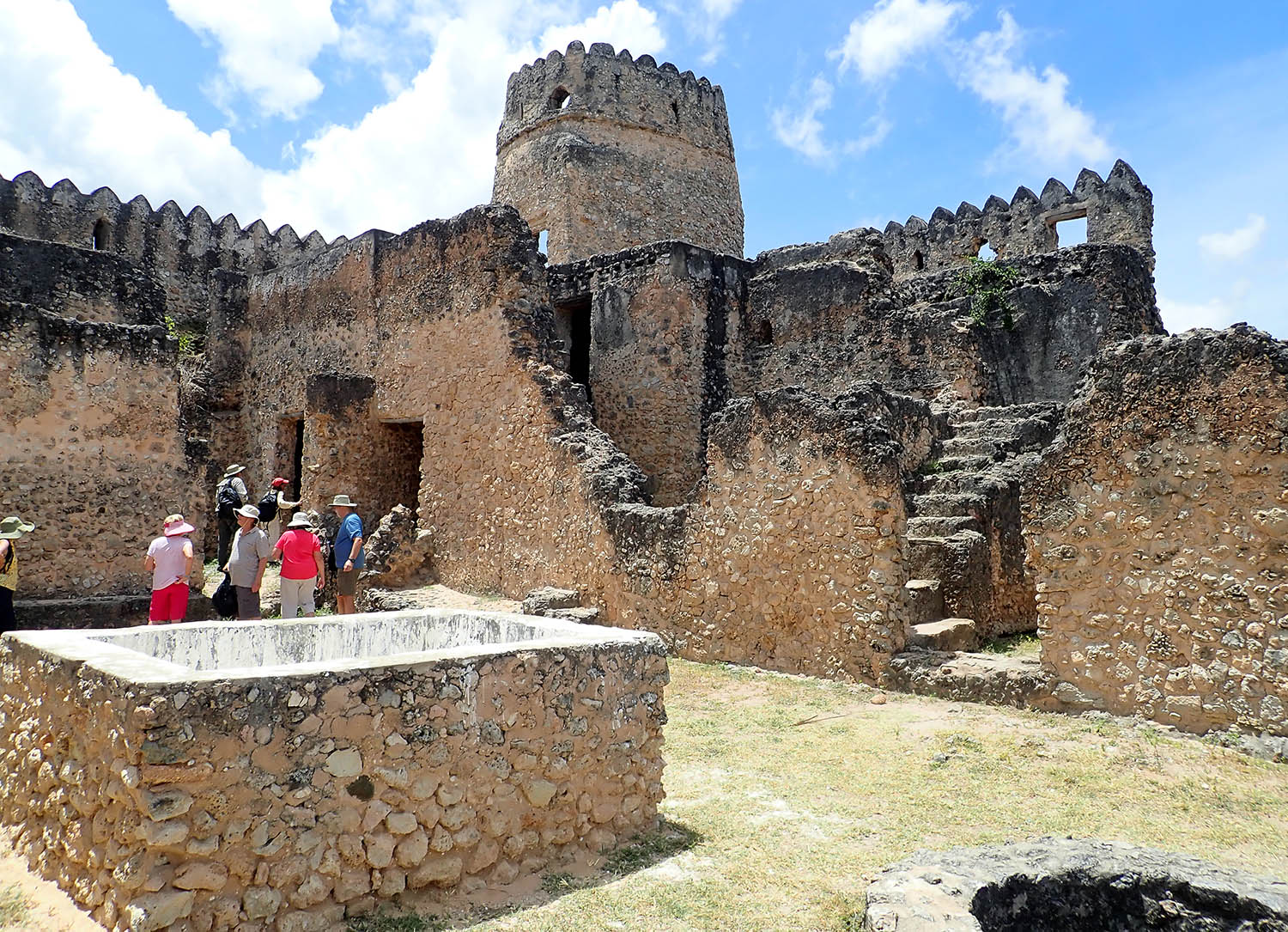
The local guides can take you around and into the buildings and explain the history and what used to be where. This usually includes the Malindi Mosque and cemetery, and Fort Gereza. The settlement was a Swahili city-state. One of the most travelled me of the time, the Moroccan scholar Ibn Battuta described it as "one of the most beautiful cities in the world". This was during the 13th-15th centuries (the European 'Middle Ages') when trade was common along the east African coast.
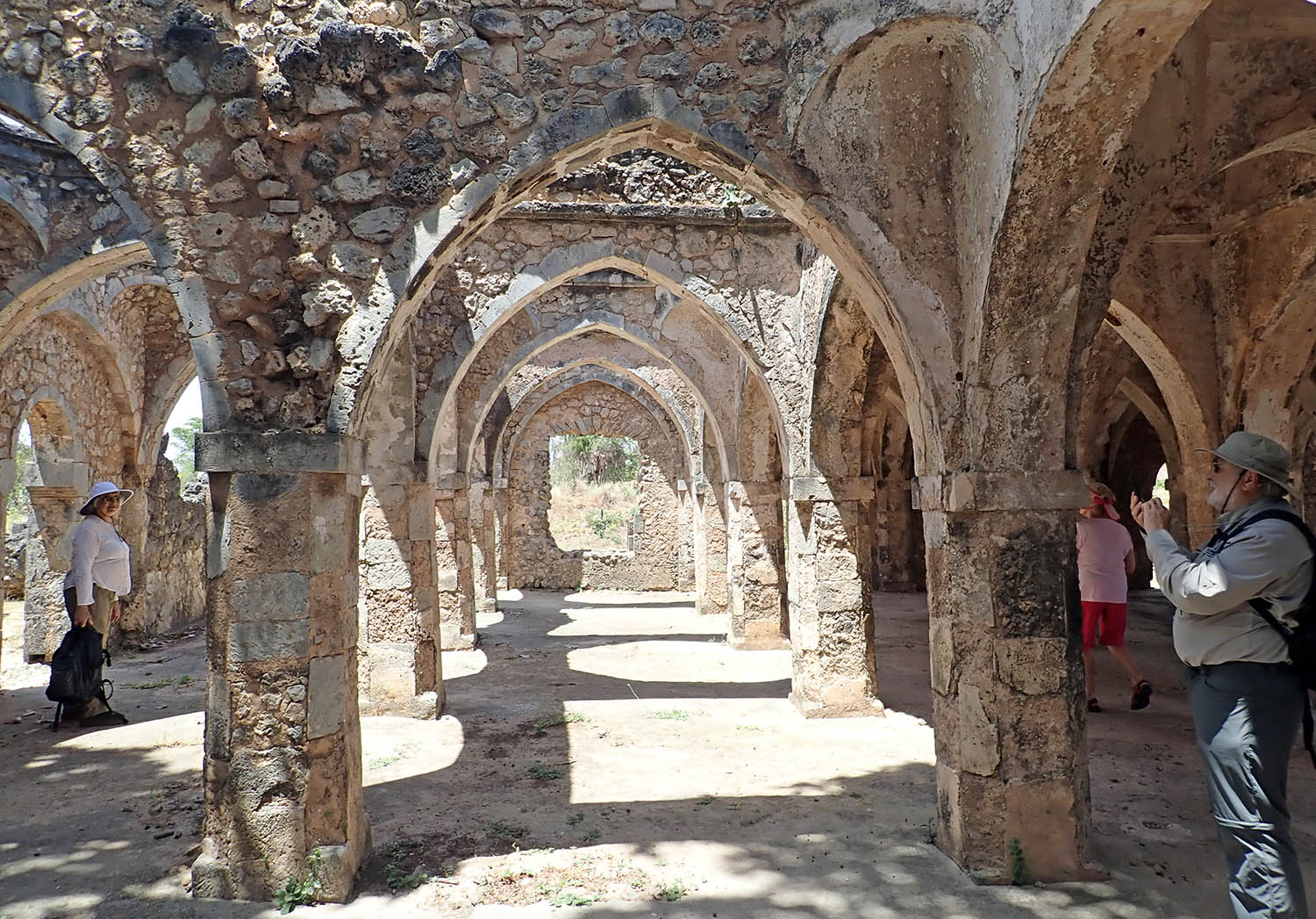
The Portuguese burnt it down in 1505.
Today, people do still live on the island. There are no roads or cars, and they are do not have any flowing water on the island: so if it is the late dry season, bring extra water, and the locals will very much appreciate it!
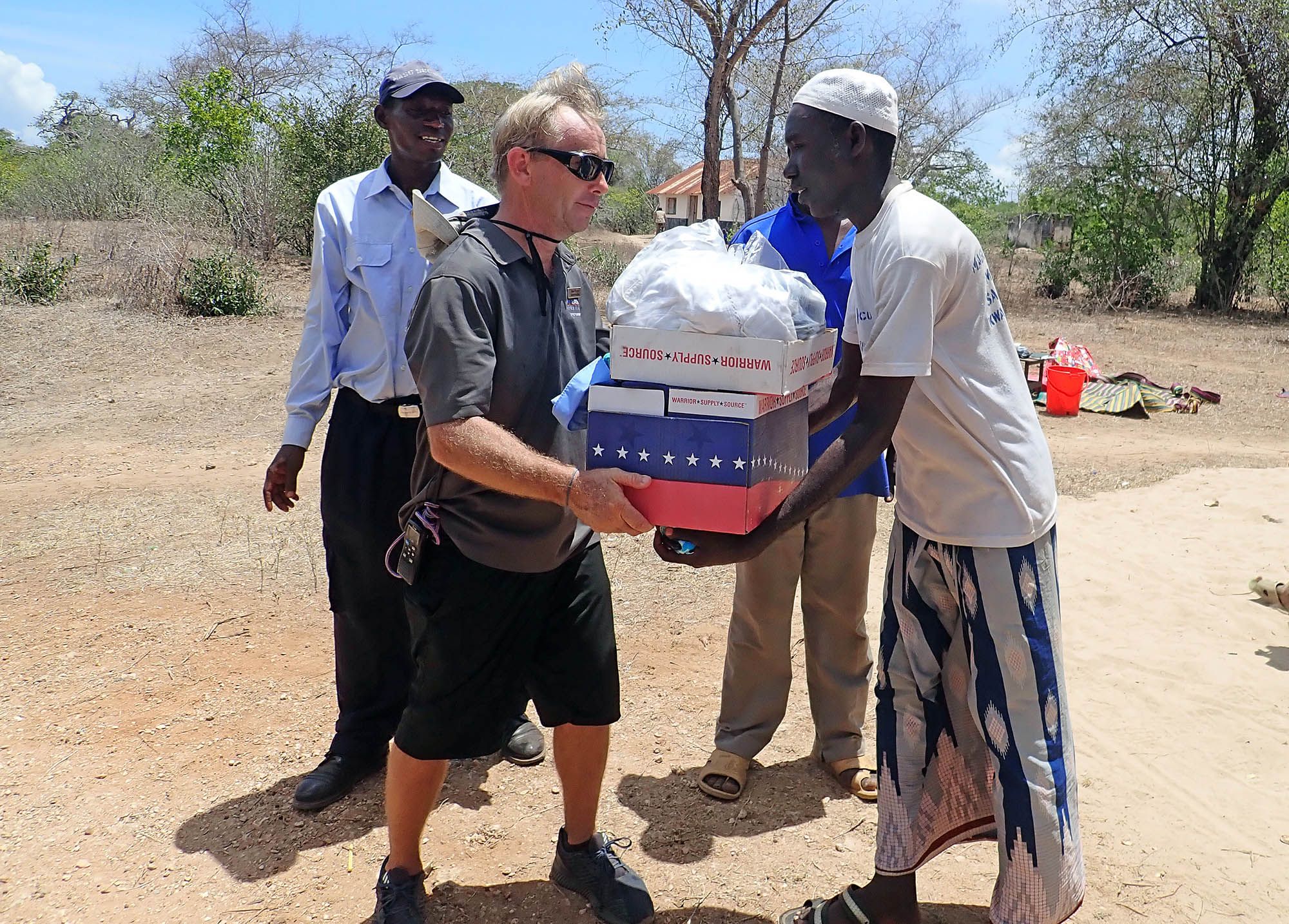 No, I don't know why I was doing the 'presenting' of the donations from Silversea!
wildlife
Being Africa, there is always wildlife to be seen! Even in the heat of the day, I photographed sunbirds, bee-eaters, Mosque Swallow, Black-backed Puffback, Blue Waxbill (image below), and other birds. There are also native plants throughout the area, including spectacular fig trees growing over the buildings.
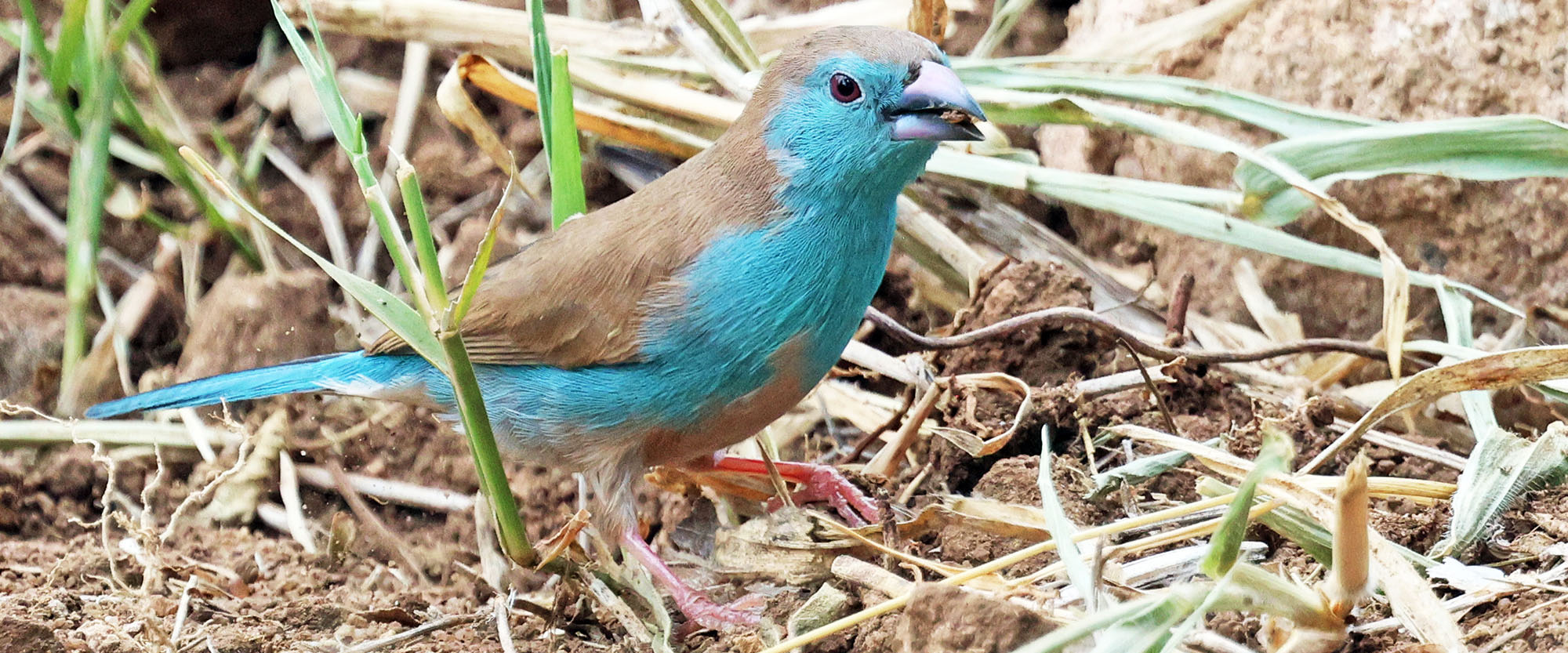 The 'Blue Waxwing' (or 'Southern Cordon-bleau')
About the author
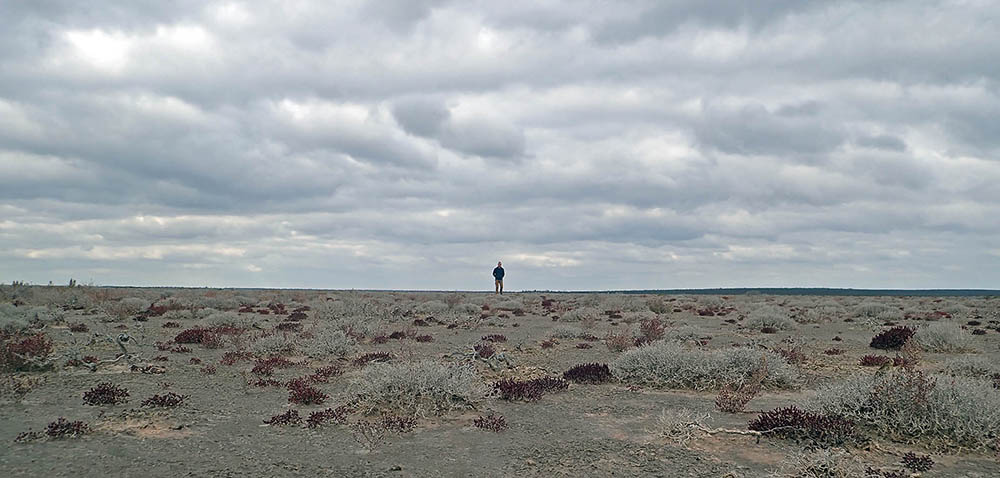 the author isolating during covid in the chenopod shrublands of arid Australia
Written by Damon Ramsey. All photographs by author (unless credited otherwise). This is not AI written. Images and information are added to this website continuously as of 2026. Feel free to copy photographs for educational purposes, but please acknowledge with: www.ecosystem-guides.com. Ecosystem Guides posts pretty shots on Instagram and some sillier photos on Facebook. Contact Email: damon@ecosystem-guides.com
Search this website (and the wider internet):
For books in the "Ecosystem Guides" series on Amazon (international) click on the book cover below
(or go to your country specific Amazon website to order, for example, click here for Amazon Australia)