ecosystem-guides
....exploring the planet's ecosystems
AUSTRALASIAN
Monsoon Rainforest
The small patches of seasonal rainforest sprinkled across northern Australia...
The family Flagellariaceae has only one genus. There are only 4 species in this genus, and they are restricted to the Old World tropics of Africa, Asia and Australia. They are generally fast and vigorous climbers with round, cane-like stems and long leaves. These long leaves are unusual as the tips have been modified into tendrils to enable the plant to curl its way through the canopy. They are found on trees in various tropical habitats. Below is Flagellaria indica ‘SuppleJack’, ‘Whip Vine’. One of the fastest growing climbers along the Australian coast. Unusual modified tendril-tipped leaves. White flowers produced at end of stem. Found growing over vegetation in mangroves, monsoon and rainforest along the tropical Australian coast, and up into tropical Asia. Can also be found climbing over boulders on tropical Australian beaches.
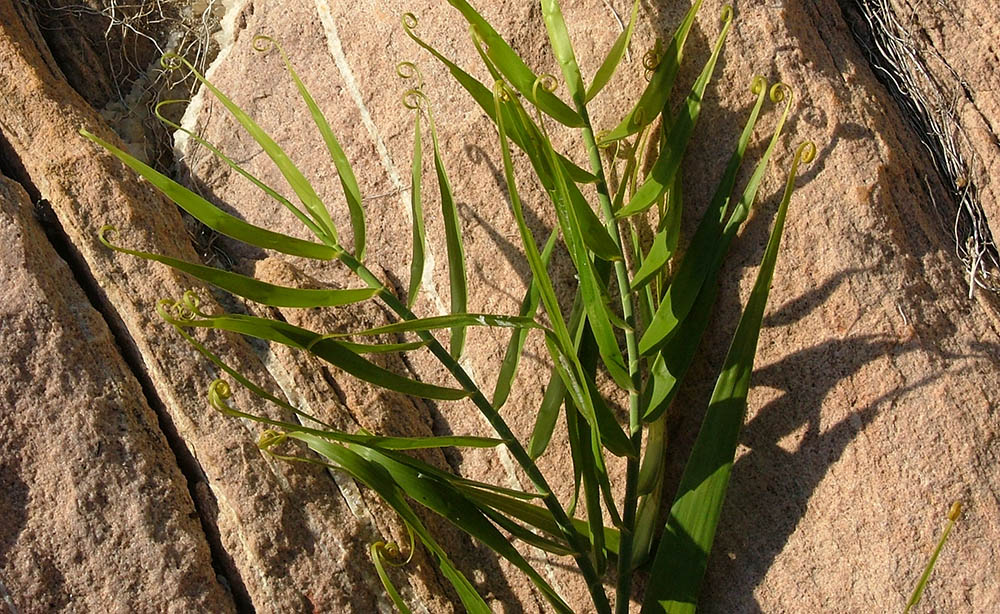 (Kimberley)
This genus Abrus contains about a dozen species throughout the tropics of the world, including one widespread species found in the monsoon forests of northern Australia. Abrus precatorius ‘Crabs Eye Vine’ is a climber with compound leaves that is not usually noticed until it produces it's small brown pods which contain many attractive tiny bright red and black seeds. The seeds contain one of the most powerful poisons known, called albrin; if the seed coat is broken down during digestion, one seed is enough to kill a human.
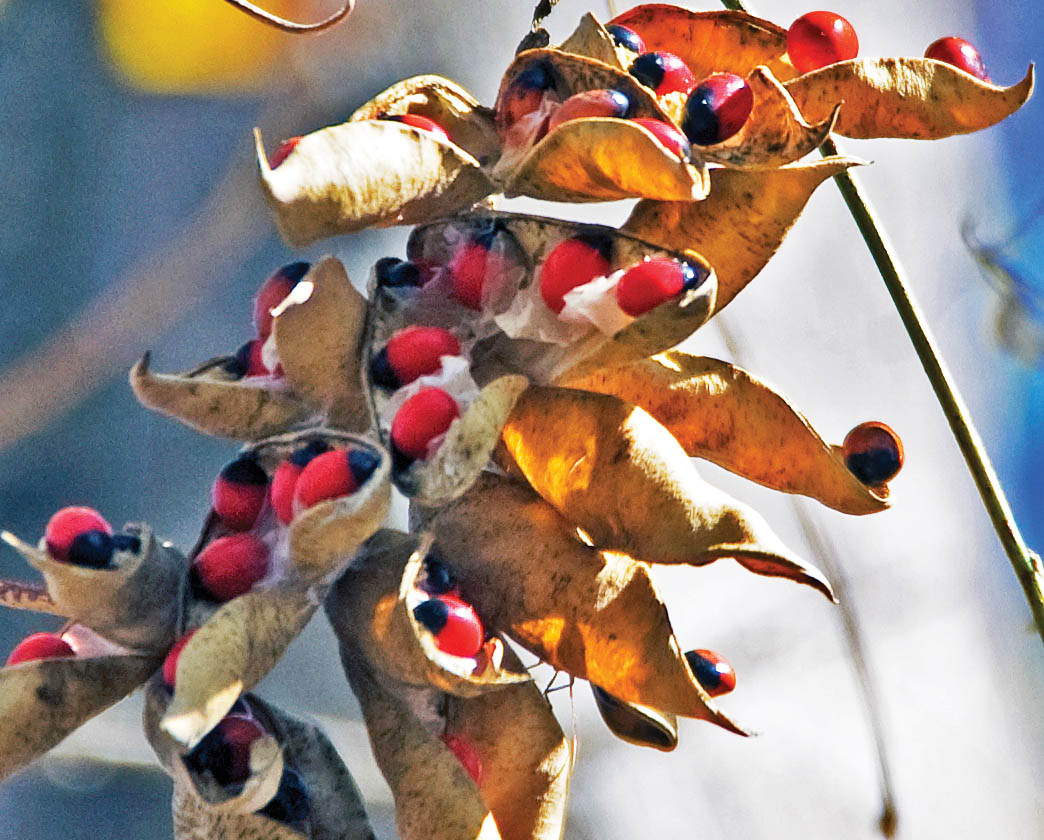 (Kimberley)
The family Scincidae is the biggest group of reptiles in Australia. The genus Morethia contains 'Fire-tailed Skinks' (below).
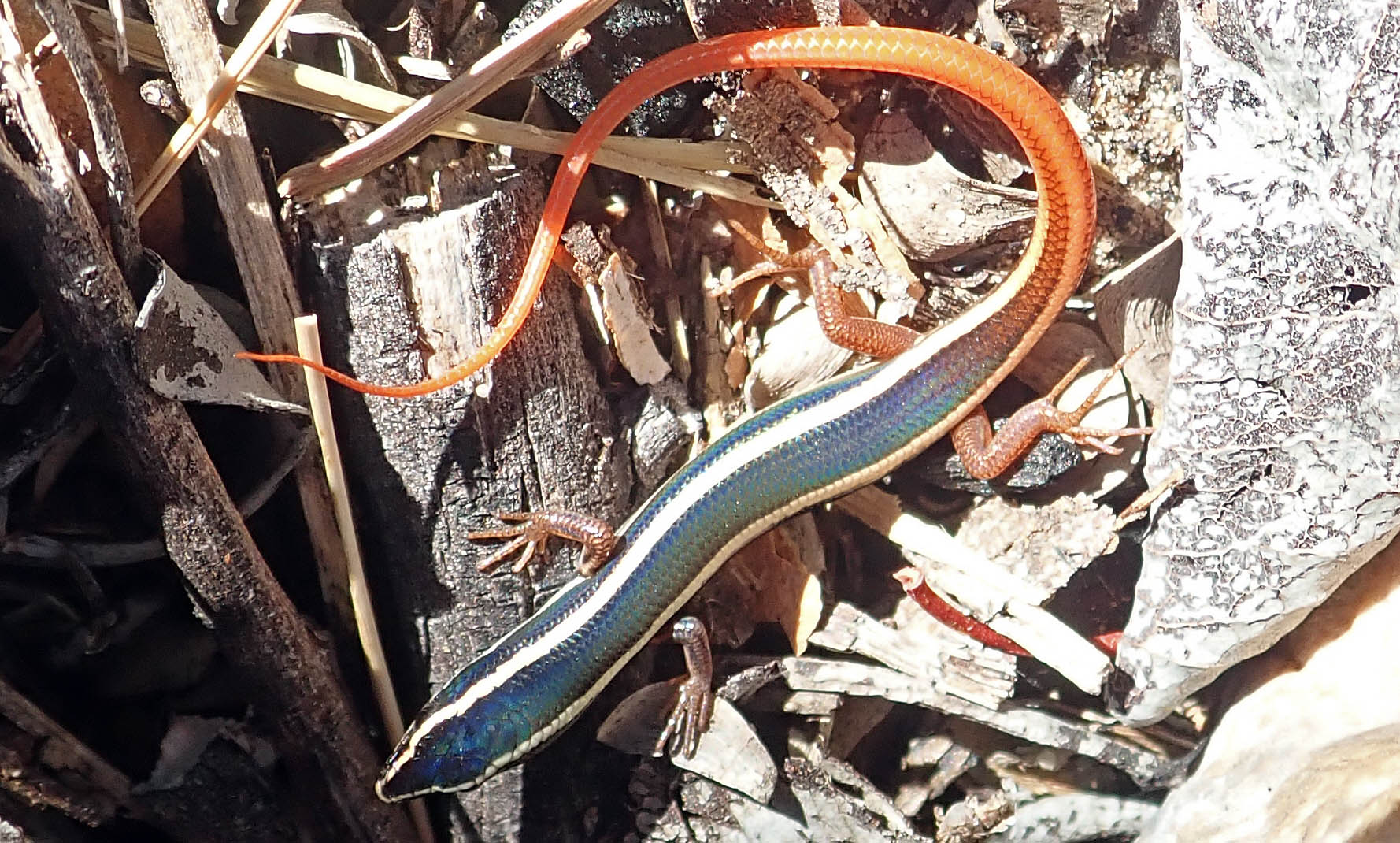 (Kimberley)
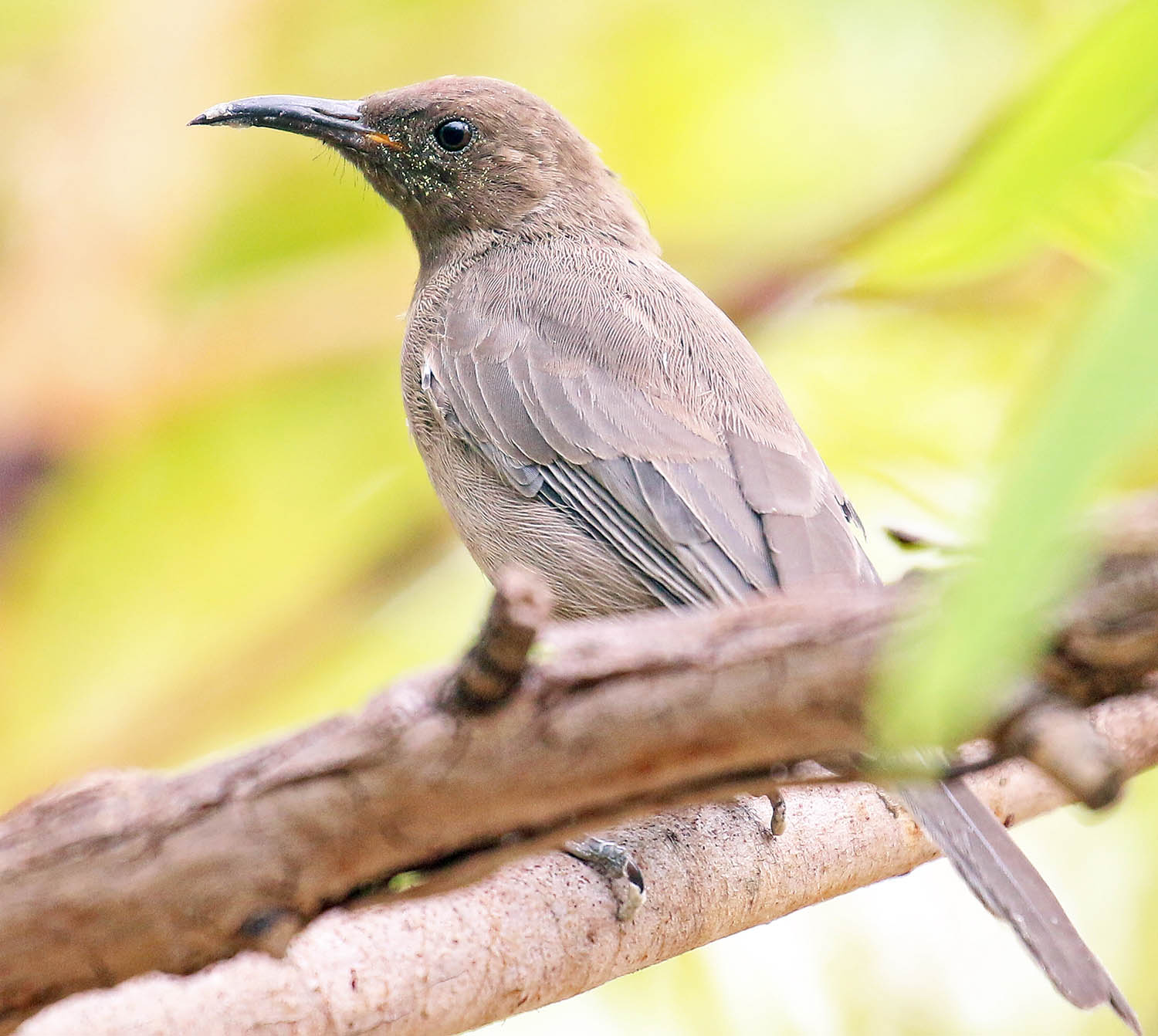 'Dusky Honeyeater/Myzomela' (Darwin).
Your second block of text...
About the author
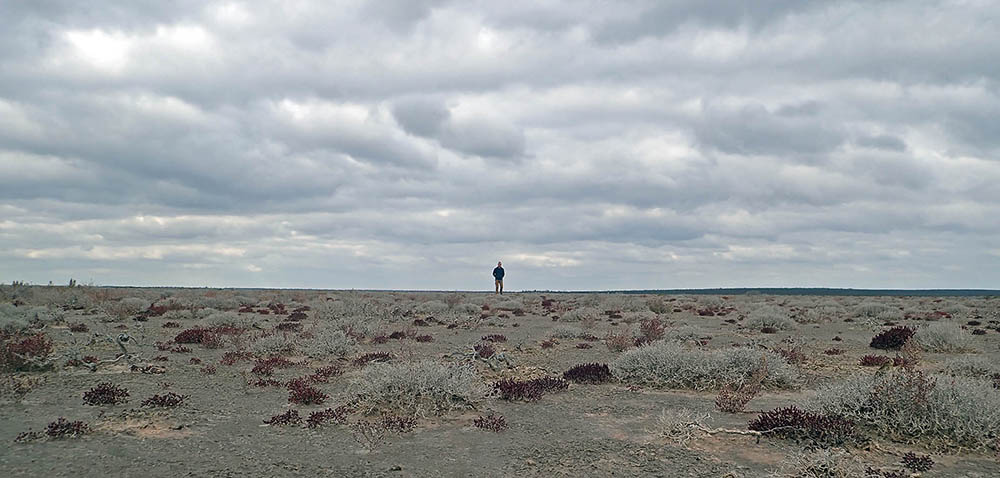 the author isolating during covid in the chenopod shrublands of arid Australia
Written by Damon Ramsey. All photographs by author (unless credited otherwise). This is not AI written. Images and information are added to this website continuously as of 2026. Feel free to copy photographs for educational purposes, but please acknowledge with: www.ecosystem-guides.com. Ecosystem Guides posts pretty shots on Instagram and some sillier photos on Facebook. Contact Email: damon@ecosystem-guides.com
Search this website (and the wider internet):
For books in the "Ecosystem Guides" series on Amazon (international) click on the book cover below
(or go to your country specific Amazon website to order, for example, click here for Amazon Australia)